
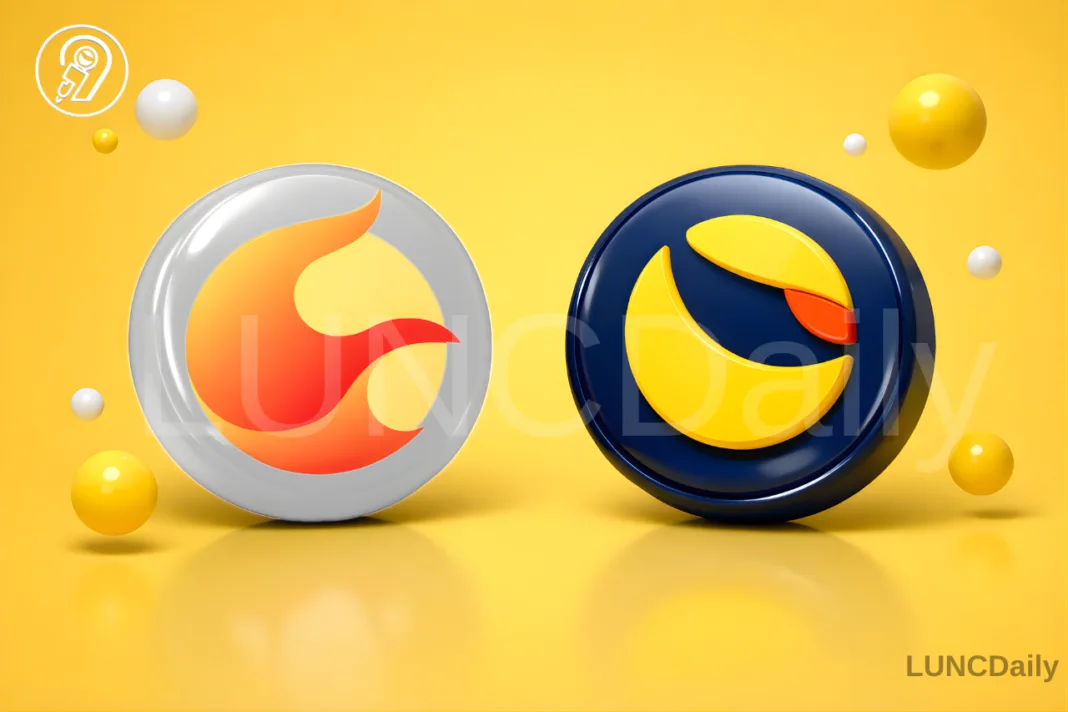


What Is Luna Classic and How Is It Different from Luna 2.0
Luna Classic is the original Terra blockchain that continued operating after the major collapse in 2022. Instead of shutting down completely, the network remained active through the efforts of its community. Validators, developers, and token holders chose to maintain the chain, ensuring that transactions, governance, and development could continue.
Luna Classic operates under the name LUNC, while its associated stablecoin is known as USTC. These assets remain part of the original Terra ecosystem that survived the collapse.
In contrast, Luna 2.0 is a completely separate blockchain. It was launched by Terraform Labs as a new version of the Terra network, but without the algorithmic stablecoin model that existed before. This means Luna 2.0 does not include USTC and follows a different direction in terms of development and structure.
The key difference between the two networks lies in their governance and philosophy. Terra Classic is fully community driven. There is no central ownership, and decisions are made through on chain proposals and voting. Anyone holding LUNC can participate in governance and help shape the future of the network.
Luna 2.0, on the other hand, started as a fresh ecosystem with its own roadmap and development path, separate from the original chain. While it has its own community, it does not share the same history or structure as Terra Classic.
Another important distinction is that both chains now evolve independently. Updates, improvements, and ecosystem growth happen separately, meaning developments on one network do not directly impact the other.
In simple terms, if you hold LUNC or USTC, you are part of the Terra Classic network. If you hold the new LUNA token, you are using the Luna 2.0 network.
Understanding this difference is essential for anyone involved in the Terra ecosystem, as it helps avoid confusion between the two chains and ensures accurate participation in each network.