Home Blog Page 28

Luna Classic Daily Burn Rate Enters a Slower Phase

0

Luna Classic Daily Burn Rate Enters a Slower Phase

The Luna Classic network has entered a noticeably slower phase in its daily token burn activity. Over the past nine days, the network has not recorded a single day where the LUNC burn exceeded one hundred million tokens.

The slowdown has become more pronounced in the last four days, during which daily burns failed to surpass fifty million LUNC. This trend reflects a period of reduced on chain transaction activity across the Terra Classic ecosystem.

Daily token burns on Luna Classic are directly linked to network usage. When transaction volume declines, the amount of LUNC burned through on chain mechanisms also decreases. Lower daily burn figures do not indicate that the burn mechanism has stopped or changed. Instead, they highlight reduced activity during this period.

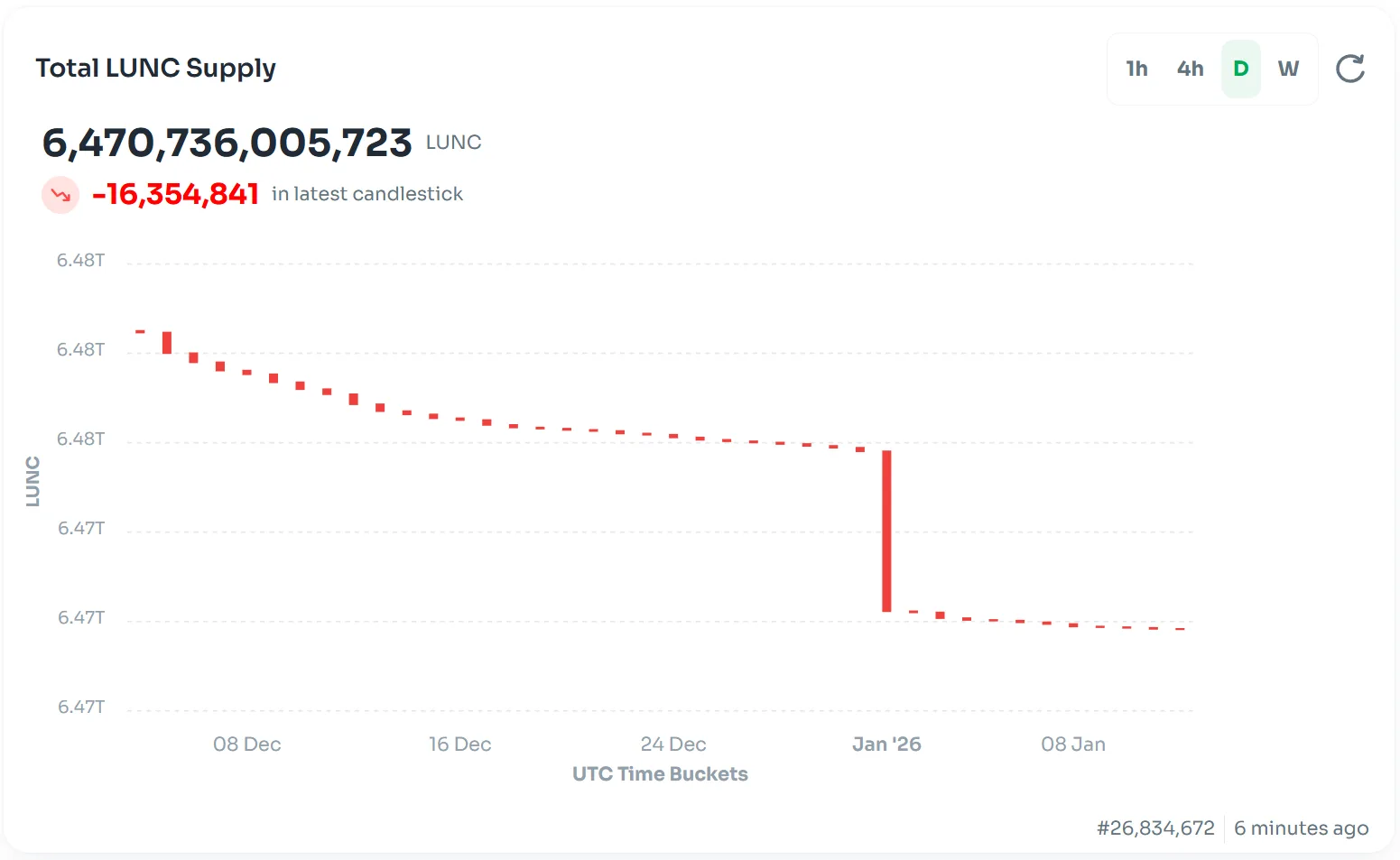
Despite the recent slowdown, the cumulative burn total for January remains significant, driven mainly by a large burn recorded at the beginning of the month. This demonstrates how burn activity can fluctuate based on network participation and usage levels.

LUNC Daily Burn Recap

Month Date LUNC Burn
January 1 5,367,757,097
January 2 36,700,121
January 3 194,515,792
January 4 59,068,461
January 5 22,184,507
January 6 55,976,794
January 7 58,298,205
January 8 85,060,487
January 9 22,167,180
January 10 22,949,053
January 11 34,617,148
January 12 33,911,987
Total 5,993,206,832

Looking ahead, a recovery in daily burn levels will depend largely on increased on chain activity. Higher transaction volume, stronger application usage, and broader ecosystem participation are key factors that could push daily burns back to higher levels.

At this stage, the data confirms that Luna Classic is experiencing a temporary slowdown rather than a structural change in its burn process. Continued monitoring of network activity will help determine when burn momentum may return.

Proposal to Update Official Terra Classic Website Links to terra classic.io on Voting progress

0

Proposal to Update Official Terra Classic Website Links to terra classic io

The Terra Classic community is currently voting on a governance proposal to update the official website links for LUNC and USTC displayed on major third party platforms. These platforms include CoinMarketCap CoinGecko and centralized cryptocurrency exchanges. The proposal seeks to change the official website reference from terra classic money to terra classic io.

This proposal is not related to launching a new product or requesting community funding. Its primary objective is to protect governance integrity maintain neutrality and preserve long term trust in how Terra Classic is publicly represented across the cryptocurrency ecosystem.

Background

Previous governance decisions including Proposal 12181 and Proposal 12141 granted the Terra Classic community authority to update the official website links shown on third party platforms. Following those approvals the official link was changed to terra classic money.

At the time of voting the community was given clear assurances. The website was presented as a neutral community focused resource. It was stated that the site would not request future funding would avoid monetization and would remain independent from private financial interests. These assurances played a significant role in the proposal receiving community approval.

The Issue Identified

After the proposal passed the operator of terra classic money publicly requested funding to develop a second version of the website. This action directly contradicts the commitments made during the governance process.

As a result the website can no longer be viewed as a fully neutral community resource. There is also a growing concern that Terra Classic governance could be perceived as endorsing a privately funded project. Allowing such changes without further governance review introduces reputational risk and sets a concerning precedent for future proposals.

What the Proposal Requests

The proposal asks the Terra Classic community to update the official website link used on third party platforms from terra classic money to terra classic io. These are the only two website links referenced in the proposal and the change is limited strictly to this update.

Why terra classic io Is Being Proposed

From a governance standpoint approvals are granted based on the information presented at the time of voting. When those conditions materially change the community has both the right and responsibility to reassess its decision to protect governance credibility.

Neutrality and trust are essential. An official website link displayed on major data platforms implies community endorsement. terra classic io is not tied to a private funding roadmap does not rely on recurring funding requests and represents the broader Terra Classic ecosystem rather than a single operator.

Long term sustainability is another key factor. terra classic io is not designed around monetization which reduces governance and reputational risk. It provides a stable professional landing page suitable for investors developers infrastructure providers and media.

The website also operates under an open community contribution model. Improvements and updates are submitted through GitHub pull requests ensuring transparency decentralization and alignment with community consensus. No single individual controls the website and there is no dependency on future funding.

What Happens If the Proposal Passes

If the proposal is approved validators and designated coordinators such as Allnodes will be requested to update the CoinMarketCap listing. The proposal will also serve as an official community request to CoinGecko exchanges and other third party platforms to update their records.

Most importantly Terra Classic would re establish a neutral governance safe official landing page for both LUNC and USTC.

Final Notes

This proposal does not question the effort or intentions behind terra classic money. Instead it addresses a material deviation from the conditions under which the original governance approval was granted.

The proposed change is corrective rather than punitive. Its goal is to protect governance credibility preserve community trust and ensure long term neutrality in the public representation of Terra Classic.


VOTE NOW

Over 300,000 USTC Burned in the Last 11 Days

0

Over 300,000 USTC Burned in the Last 11 Days

The Terra Classic ecosystem has recorded steady progress in its ongoing supply reduction efforts, with more than 300,000 USTC tokens burned over the past eleven days. This activity reflects continued community participation and transparent on chain tracking.

Between January 1 and January 11, a total of 397,347 USTC tokens were permanently removed from circulation. These burns are part of Terra Classic’s broader strategy to gradually reduce supply and support long term ecosystem stability.

Daily burn figures show varying activity levels, with notable increases on January 2, January 9, and January 10. The highest single day burn occurred on January 10, when more than 115,000 USTC tokens were burned in one day.

USTC Daily Burn Summary

Month Date USTC Burned
January 1 33,407
January 2 93,158
January 3 15,065
January 4 7,253
January 5 15,637
January 6 7,618
January 7 9,758
January 8 33,196
January 9 58,758
January 10 115,023
January 11 8,474
Total 397,347

The steady pace of burns highlights the Terra Classic community’s continued commitment to responsible supply management. While daily figures may fluctuate, the overall trend shows consistent participation and measurable progress.

As burn mechanisms continue to operate, the community will closely monitor on chain data to assess long term impact and sustainability within the Terra Classic ecosystem.

Luna Classic Burn Rate Slows as Daily LUNC Burns Fall Below 50 Million for Three Consecutive Days

0

The Luna Classic burn rate has shown a noticeable slowdown, with the network recording three consecutive days where daily LUNC burns remained below 50 million tokens. This trend highlights a temporary reduction in burn activity compared to earlier periods of higher on chain participation.


At the beginning of January, burn activity surged significantly, driven largely by a one time large scale burn event. Following this spike, daily burn volumes declined and stabilized at lower levels, reflecting more moderate network usage.

Lower daily burn figures do not signal the end of burn mechanisms on Terra Classic. Instead, they indicate reduced transaction volume and fewer large scale contributions during this period. Burn activity remains dependent on organic usage, exchange participation, and community driven initiatives.

Despite the recent slowdown, total burns for January remain substantial. The data confirms that supply reduction is still ongoing, even as the pace temporarily softens.

As new utilities, platforms, and integrations continue to develop, increased transaction activity could help lift daily burn figures again. For now, the latest numbers reflect a stable but slower burn phase within the broader Luna Classic ecosystem.

Luna Classic Daily Burn Recap

Month Date LUNC Burned
January 1 5,367,757,097
January 2 36,700,121
January 3 194,515,792
January 4 59,068,461
January 5 22,184,507
January 6 55,976,794
January 7 58,298,205
January 8 85,060,487
January 9 22,167,180
January 10 22,949,053
January 11 34,617,148
Total 5,959,294,845

Juris Protocol JURIS Token Successfully Listed on AscendEX

0

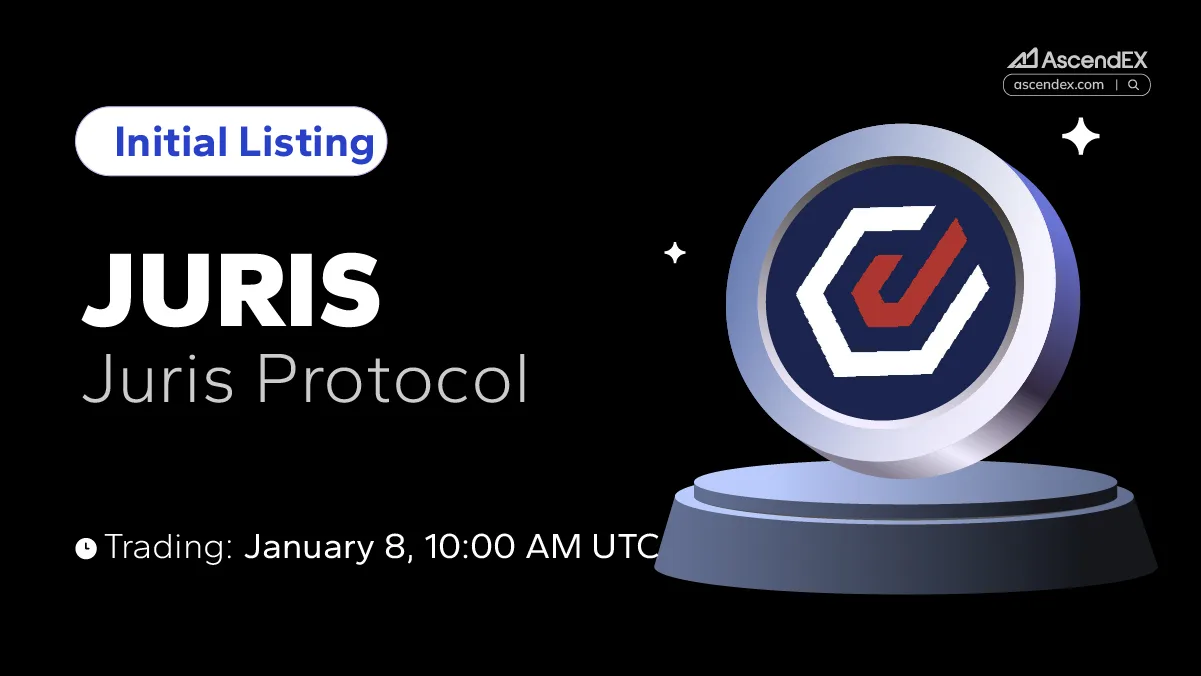
Juris Protocol has reached an important milestone as its native token JURIS has been successfully listed on the centralized cryptocurrency exchange AscendEX. The exchange opened deposits and withdrawals on January 7, with the JURIS USDT trading pair officially going live on January 8 at 10:00 AM UTC.


With the listing now active, JURIS has gained access to a centralized trading environment where users can trade directly against the USDT stablecoin. This significantly improves accessibility for traders who prefer centralized exchanges, allowing Juris Protocol to reach a wider audience beyond decentralized finance users.

From a market structure perspective, the AscendEX listing adds a new source of liquidity and supports improved price discovery for JURIS. Listings on CEX often attract short term trading activity, including speculative interest and arbitrage across platforms. This can lead to increased trading volume and short term volatility as the market adjusts.

Beyond centralized exchange exposure, Juris Protocol is also gaining greater recognition through off chain platforms. This broader visibility helps draw attention to the Terra Classic ecosystem as a whole and can indirectly support increased awareness of LUNC among traders and investors outside the on chain environment.

For users who prefer to trade Juris on chain within the Terra Classic ecosystem, JURIS is available for direct trading through Orbit Wire.


Trade Juris on Orbit Wire

Over 215,000 USTC Burned in the Last 8 Days

0

Over 215,000 USTC Burned in the Last 8 Days Strengthening Terra Classic Supply Reduction

More than 215,000 USTC has been permanently removed from circulation over the last eight days, reflecting continued efforts to reduce the stablecoin supply within the Terra Classic ecosystem. This steady burn activity highlights ongoing community and network initiatives aimed at long term stability and value improvement.

Burning tokens means sending them to an irrecoverable address, ensuring they can never be used again. Over time, consistent burns help reduce total supply, which can support healthier market dynamics when combined with real utility and demand.

USTC Daily Burn Summary

Below is a breakdown of USTC burned each day during the first eight days of January.

Month Date USTC Burned
January 1 33,407
January 2 93,158
January 3 15,065
January 4 7,253
January 5 15,637
January 6 7,618
January 7 9,758
January 8 33,196
Total 215,092

Why USTC Burns Matter

USTC burns play an important role in the broader Terra Classic recovery strategy. By gradually lowering circulating supply, the ecosystem aims to support future repeg discussions, improve market confidence, and align incentives across validators, developers, and users.

Although burns alone do not guarantee price growth or stability, they are a foundational mechanism that complements utility driven development and governance improvements.

Outlook

If this pace of burning continues or accelerates through higher on chain activity and wider adoption, USTC supply reduction could become more meaningful over time. The community will continue monitoring daily burn data as an indicator of ecosystem participation and long term commitment.

Over 5.8 Billion LUNC Burned in the Last 8 Days

0

Over 5.8 Billion LUNC Burned in the Last 8 Days

The Terra Classic network continues its supply reduction efforts as more than 5.8 billion LUNC tokens have been permanently removed from circulation over the past eight days. This steady burn activity highlights ongoing community participation and on chain mechanisms aimed at improving long term token economics.

Token burns play an important role in reducing the total circulating supply. While burns do not guarantee price movement, consistent reductions can support scarcity and reinforce confidence in the Terra Classic ecosystem.

LUNC Daily Burn Breakdown

Below is the daily LUNC burn recap for the first eight days of January, showing how the total burn amount was achieved.

Month Date LUNC Burned
January 1 5,367,757,097
January 2 36,700,121
January 3 194,515,792
January 4 59,068,461
January 5 22,184,507
January 6 55,976,794
January 7 58,298,205
January 8 85,060,487
Total 5,879,561,464

Why LUNC Burns Matter

LUNC burns permanently remove tokens from circulation, reducing overall supply. Over time, this mechanism helps improve token sustainability and aligns with the community goal of rebuilding Terra Classic through long term economic discipline.

Continued transparency through daily burn reporting allows the community and investors to track progress and assess network activity with confidence.

Final Thoughts

Burning over 5.8 billion LUNC in just eight days demonstrates that Terra Classic burn mechanisms remain active and effective. As burn activity continues, the community will closely monitor whether this momentum can be sustained in the weeks ahead.

Staying informed on daily burn data remains essential for understanding the evolving supply dynamics of LUNC and the broader direction of the Terra Classic ecosystem.

LUNC Holds Bullish Structure as Price Moves Within Ascending Channel on 4H Chart

0

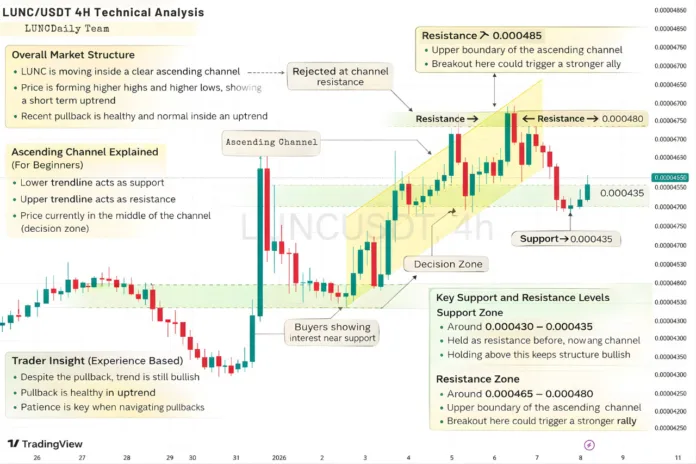
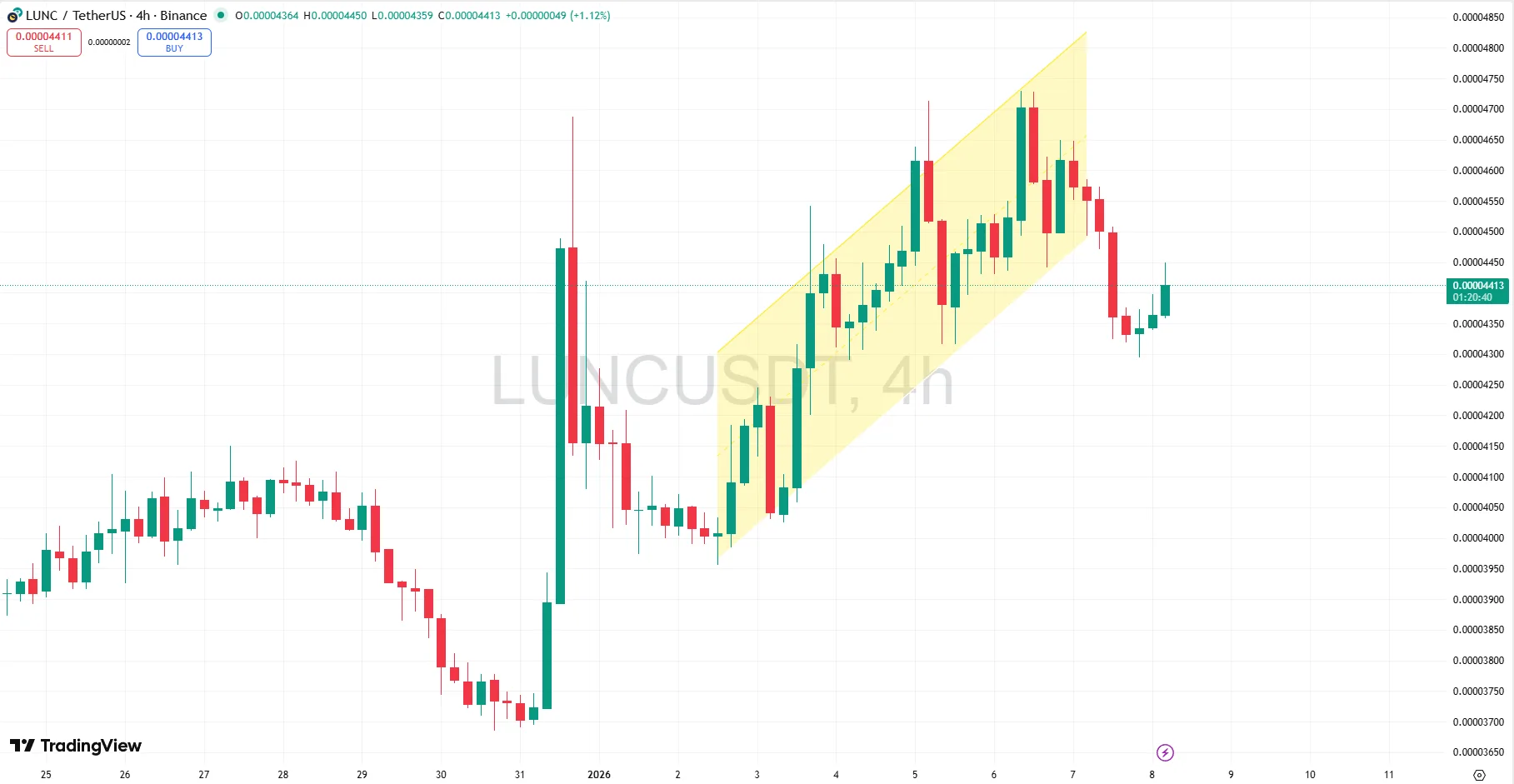
Luna Classic (LUNC) continues to trade within a well defined ascending channel on the 4 hour chart, signaling that the short term market structure remains bullish despite recent pullbacks. This price behavior reflects healthy consolidation rather than trend weakness, a pattern commonly observed during sustained uptrends.

An ascending channel forms when price creates higher highs and higher lows while moving between two upward sloping trendlines. The lower boundary of the channel acts as dynamic support where buyers consistently step in, while the upper boundary functions as resistance where price often slows or temporarily reverses.

Currently, LUNC is trading near the middle to lower portion of this channel. This area is considered a decision zone, where the market typically decides whether to resume upward momentum or continue consolidating. Buyers have already shown strong interest near the lower channel support, preventing a deeper correction.

The key support zone is located around 0.000430 to 0.000435. This level previously acted as resistance and has now flipped into support, reinforcing its importance. As long as price holds above this zone, the bullish structure remains intact.

On the upside, resistance is concentrated between 0.000465 and 0.000480, which aligns with the upper boundary of the ascending channel. A confirmed breakout and sustained close above this region could open the door for stronger bullish continuation.

From a broader trading perspective, pullbacks within an uptrend are normal and often necessary to reset momentum. Rather than signaling weakness, these corrections allow the market to build strength for the next move. Experienced traders focus on structure and key levels rather than short term price fluctuations.

In summary, LUNC remains in a short term bullish trend, supported by a clear ascending channel. As long as price respects channel support, the outlook stays constructive, with traders watching closely for either a breakout above resistance or continued consolidation within the channel.

New Proposal Under Discussion to Change LUNC and USTC Official Website Link to terra classic io

0

The Terra Classic community is reviewing a new governance proposal that focuses on updating the official website link for LUNC and USTC on major third party platforms such as CoinMarketCap CoinGecko and cryptocurrency exchanges.

This proposal is not about launching a new product or requesting funding. Its purpose is to protect governance integrity maintain neutrality and ensure long term trust in how Terra Classic is publicly represented.

Background

Previous governance proposals including Proposal 12181 and Proposal 12141 granted the Terra Classic community the authority to update the official website link shown on third party platforms. Following those approvals the link was changed to terra classic money.

At the time of voting clear assurances were provided to the community. The website was presented as a community focused resource that would not request future funding would remain neutral and would avoid monetization. These assurances were a key factor in the proposal being approved.

The Problem

After the proposal passed the operator of terra classic money publicly requested funding to develop a second version of the website. This request directly contradicts the representations made during the governance process.

As a result the site can no longer be considered a fully neutral community resource. There is also a risk that Terra Classic governance may be perceived as endorsing a privately funded project. Allowing such changes without further governance review also sets a concerning precedent for future proposals.

What the Proposal Is Requesting

The proposal asks the community to update the official Terra Classic website link used on third party platforms from terra classic money to terra classic io. These are the only two links referenced in the proposal.

Why terra classic io

The proposal outlines several reasons for selecting terra classic io as the official website link.

From a governance perspective approvals are granted based on the information available at the time of voting. When those conditions materially change the community has both the right and responsibility to reassess its decision in order to preserve governance credibility.

Neutrality and trust are also critical. An official website link displayed on major data platforms implicitly signals community endorsement. terra classic io is not tied to a private funding roadmap does not rely on recurring funding requests and represents the broader Terra Classic ecosystem rather than a single operator.

Long term sustainability is another key consideration. terra classic io is not designed around monetization which reduces reputational and governance risk. It provides a stable and professional landing page suitable for investors developers infrastructure providers and media.

The website also operates under an open community contribution model. Updates and improvements are submitted through GitHub pull requests ensuring transparency decentralization and alignment with community consensus. No single individual controls the site and there is no dependency on future funding.

What Happens If the Proposal Passes

If approved validators and designated coordinators such as Allnodes will be requested to update the CoinMarketCap listing. The proposal will also serve as an official community request to CoinGecko exchanges and other third party platforms.

Most importantly Terra Classic would re establish a neutral governance safe official landing page for LUNC and USTC.

Final Notes

This proposal does not question the effort or intent behind terra classic money. It addresses a material deviation from the conditions under which the original proposal was approved.

The change is corrective rather than punitive and is intended to protect governance credibility preserve community trust and ensure long term neutrality in Terra Classic public representation.

Luna Classic Burn Rate Slows Over the Last Four Days

0

Luna Classic Burn Rate Slows Below 100 Million LUNC Per Day Over the Last Four Days

The Luna Classic LUNC burn rate has shown a noticeable slowdown over the past four days, with daily burned amounts consistently falling below 100 million LUNC. This trend marks a shift compared to earlier periods when burn activity occasionally reached significantly higher levels.

Burn data from early January highlights a sharp contrast between a single large burn event and subsequent daily activity. While January 1 recorded a substantial burn exceeding 5.3 billion LUNC, the following days reflect much lower and more stable burn volumes. In particular, the last four days show daily burns remaining well under the 100 million LUNC threshold.

This slowdown is important for the Luna Classic community because on chain activity and transaction volume play a direct role in sustaining burn momentum. Lower trading volume typically results in fewer tokens being burned, which can temporarily reduce deflationary pressure on the total supply.

Luna Classic Daily Burn Recap

Month Date LUNC Burned
January 1 5,367,757,097
January 2 36,700,121
January 3 194,515,792
January 4 59,068,461
January 5 22,184,507
January 6 55,976,794
January 7 58,298,205
Total 5,794,500,977

Despite the recent slowdown, the overall burn total remains significant due to the large burn recorded at the start of the month. However, sustained long term progress depends on consistent daily burns driven by real network usage, trading activity, and community participation.

As the Luna Classic ecosystem continues to evolve, monitoring burn trends alongside on chain volume will remain essential in evaluating the network’s deflationary performance and long term recovery efforts.