Home Blog Page 33

LUNCDaily Relaunches Its Validator on the Terra Classic Chain

0

LUNCDaily Relaunches Its Validator on the Terra Classic Chain

LUNCDaily, a trusted news platform focused on the Terra Classic ecosystem, has relaunched its validator on the Luna Classic chain. The platform provides daily content including articles and videos to keep the community informed about developments across the ecosystem from Layer 1 to Layer 2.

By running its own validator, LUNCDaily aims to strengthen network security and decentralization while giving the community a way to support the platform directly. Validator operations are an important part of maintaining a healthy blockchain and enable supporters to contribute by staking their LUNC tokens.

If you want to support LUNCDaily and help sustain its coverage of the Terra Classic ecosystem, please consider staking your LUNC with the LUNCDaily validator. For full validator details, visit validator info.

Implement an On-Chain Subscription Payment Module – Explained for Beginners

0

Terra Classic Proposes On Chain Subscription Payment System

The Terra Classic community is discussing a plan to add a new subscription payment system directly to the blockchain.

This system would allow automatic recurring payments similar to how you pay for Netflix or Spotify but done on chain using LUNC, USTC, or USDC IBC version.

Projects could use it for things like:

  • Premium memberships
  • Monthly access to tools or services
  • Marketplace features or discounts

A small part of every payment, around 1 percent, would go to the Terra Classic treasury to support the chain.

Note cw20 tokens are not supported for this system.

Why This Is Important

Right now, developers who want to add subscription features must build their own systems or rely on off chain tools.

That makes things complicated and limits how easily other projects can join.

By adding a built in subscription system, Terra Classic would make it simple for both blockchain and regular web Web2 projects to accept automatic payments safely and directly on chain.

How It Works

A user subscribes by sending a special transaction called MsgSubscribe.

The user sets:

  • The amount to pay
  • The payment schedule such as weekly or monthly
  • The recipient address

The first payment happens right away and a small fee of 1 percent goes to the chain.

The blockchain saves all the subscription details such as:

  • Whether it is active or canceled
  • When the next payment is due
  • Amount, token, and recipient
  • Date of the last payment

At every payment date, the system checks if the user has enough balance.

If yes, the payment goes through automatically.

If not, the subscription cancels itself.

Users can also cancel anytime manually.

It works just like a bank auto debit or PayPal subscription but fully on the blockchain.

Easy Integration for Developers

Developers can check or show subscription info using a simple link such as

/terra/subscription/{address}/status

This returns live details such as whether the subscription is active and when the next payment will happen.

These are normal REST API calls so websites, marketplaces, and other apps can use them easily.

If Wasm bindings are added, smart contracts could also access this data directly from the blockchain to give premium access or manage reward tiers.

Governance Settings

The community through governance will decide:

  • Which tokens are allowed for payments starting with LUNC, USTC, and USDC
  • The protocol fee set to 1 percent by default

What Projects Can Use It For

  • Premium features or memberships in dApps
  • Tiered discounts in marketplaces or DEXs
  • Subscription logins for Web2 websites
  • Game or tool access with monthly billing

Why This Benefits Terra Classic

  • Adds an easy and ready to use payment option
  • Creates new business opportunities for projects
  • Provides steady income for the chain
  • Makes integration easier for both Web2 and Web3 developers

Important Note

Because payments are automatic you will not see each one listed separately in block explorers like Finder. It works in the background similar to how your unstaked coins appear after 21 days.

Conclusion

This proposal would add a built in on chain subscription system to Terra Classic, allowing recurring payments without extra smart contracts or off chain tools.

It makes life easier for developers, improves user experience, and creates a sustainable income source for the network, helping Terra Classic grow stronger and more useful over time.

Fund Terra Classic Relaying Activity Proposal – Explained for Beginners

0

Fund Terra Classic Relaying Activity Proposal – Explained for Beginners

Overview
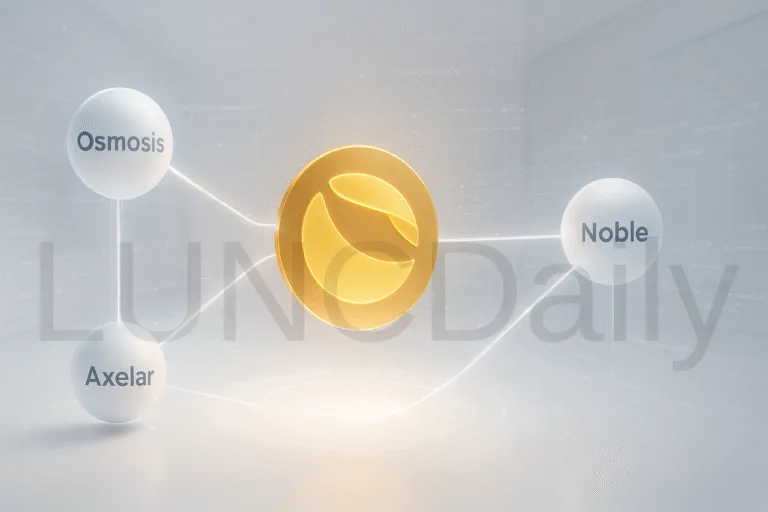
This proposal requests financial support from the Terra Classic Community Pool to fund the operation of the IBC relayer that connects Terra Classic with the Cosmos chains Osmosis, Noble, and Axelar. The requested funding covers six month of operations to maintain stable network connections and liquidity across the ecosystem.

Why the Relayer Matters

The Inter Blockchain Communication IBC protocol allows blockchains in the Cosmos ecosystem to communicate and transfer tokens. The relayer acts as the bridge that keeps this communication working. Without a properly maintained relayer:

  • IBC transfers and interchain transactions might fail
  • Tokens or data packets could get stuck
  • Users might lose access to liquidity
  • Terra Classic could become isolated from the Cosmos network

A dependable relayer ensures Terra Classic remains active, connected, and useful within the Cosmos ecosystem.

Who Operates the Relayer

The relayers connecting Terra Classic to Osmosis, Noble, and Axelar are managed by the LuncGoblins team. Running these relayers requires ongoing costs for server infrastructure, data feed services, transaction fees, and manual maintenance. These costs have been privately funded until now but that approach is no longer sustainable. A public donation campaign on X did not reach its target. This proposal asks for direct community support from the Community Pool.

Cost Breakdown

Description Details Monthly Cost €
Hardware 4 chains times €130 520
Feed Services 4 chains times €100 400
Labor 2 hours per week times 4 weeks times €60 480
Subtotal 1,400
VAT 19 percent 266
Total per Month 1,666

Six Month Total
€1,666 times 6 equals €9,996

Requested Amount
€10,000 in LUNC equivalent at the time of disbursement.

Implementation Plan

If approved, this proposal will fund the continued operation of relayers for Osmosis, Noble, and Axelar for six month. The operator will:

  • Guarantee reliable uptime during the entire funding period
  • Provide transparent public reports for any maintenance or outages
  • Ensure that Terra Classic maintains stable IBC connectivity with other networks

Conclusion

Approving this proposal will secure Terra Classic’s essential IBC connections supporting liquidity interoperability and a smooth user experience across the Cosmos ecosystem. Reliable relayer funding will keep Terra Classic connected and functional and strengthen its position within the broader blockchain network.

Implement an On-Chain Subscription Payment Module

This proposal introduces a new subscription module on Layer 1 that enables recurring payments directly on the blockchain.

Projects can use it to offer subscriptions for services, memberships, or premium features without having to develop or deploy their own smart contracts.

Payments are automatically processed in supported currencies (e.g., LUNC, USTC, USDC [IBC version]), with a portion of each processed payment sent to the chain treasury for further utilization as revenue share for the chain.

Important note: cw20 tokens are not supported for this module.

Motivation

Recurring payments are a common requirement for projects offering premium access, SaaS tools, or marketplace memberships.

Currently, dApps must implement these features via custom contracts or off-chain logic, which limits adoption and integration opportunities. Contracts cannot be executed automatically on chain, they need to be executed by users or off-chain background processes.

By providing a native on-chain subscription layer, Terra Classic can standardize this functionality and make it available to all projects and even external (Web2) platforms via simple REST queries.

Concept

Users can subscribe to a project by submitting a MsgSubscribe transaction.

The message defines:

  • Amount
  • Payment period (e.g., weekly or monthly)
  • Recipient address
  • Additional details

Once created, the first payment is executed immediately and a protocol fee (e.g., 1%) is deducted and kept by the chain.

The subscription data is stored in the blockchain, including:

  • Status “active” or “canceled”
  • Next payment due date
  • Amount, currency, and recipient
  • Date of last successful payment
  • Further relevant information

At each payment interval, the module checks the subscriber’s account balance:

  • If there are sufficient funds, the payment is executed automatically.
  • If this is not the case, the subscription is automatically canceled.
  • Users can cancel their subscriptions manually at any time.

You can think of this similar to what a direct debit mandate is for your bank account, or a PayPal subscription.

Query and integration

The module provides query endpoints such as:

/terra/subscription/{address}/status

which return real-time information about the subscription status, next payment date, and additional metadata.

These endpoints behave like normal REST API calls and allow for easy integration with external applications such as websites, marketplaces, or other Web2 platforms.

If Wasm bindings are included, smart contracts can also query subscription data directly in the blockchain to implement premium access or reward tiers.

Governance parameters

Governance can configure the following:

  • Approved payment currencies (initially LUNC, USTC, USDC)
  • Protocol fee (1% by default)

Example use cases

  • Premium memberships or feature unlocks in dApps
  • Marketplace or DEX fee reduction tiers
  • Web2 pages with restricted login for subscribers
  • Game passes or SaaS-like monthly billing models

Benefits

  • Enables subscription payments without custom contract logic
  • Offers new business models for projects and dApps
  • Creates a recurring revenue source for the chain through protocol fees
  • Simplifies integration for Web2 and Web3 developers through standardized API endpoints

Important Note

Same as when unstaked coins reach your wallet after 21 days, there is no direct transaction for recurring payments in the block explorer (e.g. finder) as it is an automatic process during block execution.

Conclusion

The proposed subscription module creates a standardized on-chain mechanism for recurring payments on Terra Classic.

It lowers the barrier to entry for developers, provides subscribers with a consistent user experience, and introduces a sustainable revenue source for the blockchain itself.

This functionality is consistent with the overarching goal of strengthening the utility layer of Terra Classic and encouraging further project development on the blockchain.

LEARN MORE

Why Influencers Who Say “Don’t Trade Your LUNC” Are Responsible for the Falling Burn Rate

0

Why Influencers Who Say “Don’t Trade Your LUNC” Are Responsible for the Falling Burn Rate

Many Terra Classic supporters are frustrated as the LUNC burn rate keeps dropping every day. Ironically, some of the same voices who claim to support the burn are the ones slowing it down.

The Misleading Message Behind “Don’t Trade LUNC”

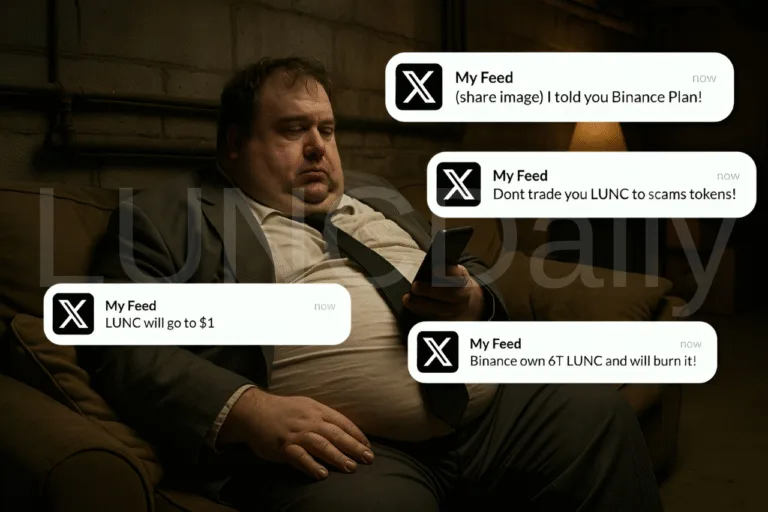
Influencers often say, “Don’t trade your LUNC with any Layer 2 tokens because LUNC will go to $1.” While this sounds positive, it is actually damaging to the network’s burn mechanism.

Let’s break down the facts:

  1. LUNC has a tax burn system that burns a portion of every on-chain transaction.
  2. The burn rate continues to decline daily.
  3. The biggest burns this month came from Binance and large wallet transfers, not from everyday trading.

Why This Advice Hurts LUNC

Those promoting “just hold and do nothing” or posting random wallet screenshots claiming “Binance burned again” are spreading false signals. The truth is simple: when trading volume drops, the burn rate falls.

Large burns only happen when major wallets move tokens or when Binance completes its monthly program. That means daily community trading activity is the main driver of consistent burns.

The tax burn mechanism only works if there are frequent on-chain transactions. Discouraging trading or avoiding Layer 2 tokens reduces transaction volume, which directly cuts the burn rate.

The Real Way to Support LUNC Burns

If the goal is to reduce LUNC’s supply, more trading is essential. Every transaction contributes to burning. Waiting without action will not revive LUNC.

Layer 2 tokens are designed to encourage activity and offer new opportunities. Trading them not only grows individual holdings but also helps burn LUNC at the same time. Meanwhile, staking LUNC with a 5% to 6% APR offers slow returns with minimal effect on supply.

The Truth the Community Needs to Hear

Everyone says they support the burn, but few understand what actually drives it. Talking about burns without participating in the ecosystem will not change anything.

Real support for LUNC means increasing on-chain activity, trading, and engagement with Layer 2 projects. Without that, the LUNC burn rate will keep falling and the dream of real recovery will remain out of reach.

Market Module 2.0 Progress Update: Key Development Insights From Vegas Morph

0

Market Module 2.0 Progress Update: Key Development Insights

The Market Module 2.0 (MM2) development has reached an important stage. According to Mr. Vegas Morph, the core code is now ready and available on the official GitHub repository. This marks a significant technical milestone for the Terra Classic ecosystem.

The next step is to evaluate whether the new SDK version will influence the existing MM2 code. Early assessments suggest that the SDK may not have a major impact, but developers are proceeding carefully to ensure full compatibility and stability.

At this phase, community collaboration is essential. Developers and contributors are encouraged to bring practical ideas and testing scenarios to the table. For example, one key discussion point is what would happen to MM2 mechanics if the price of USTC rises. Simple but crucial questions like this help identify potential risks and ensure the module performs reliably under various market conditions.

The goal is to ensure that all possible situations—especially unfavorable ones—are analyzed and covered before deployment. With this cautious and transparent approach, Market Module 2.0 continues to move closer to production readiness.

LUNC Staking Ratio Drops Sharply Before Rapid Recovery

0

LUNC Staking Ratio Plunges Then Bounces Back in Hours — What Happened?

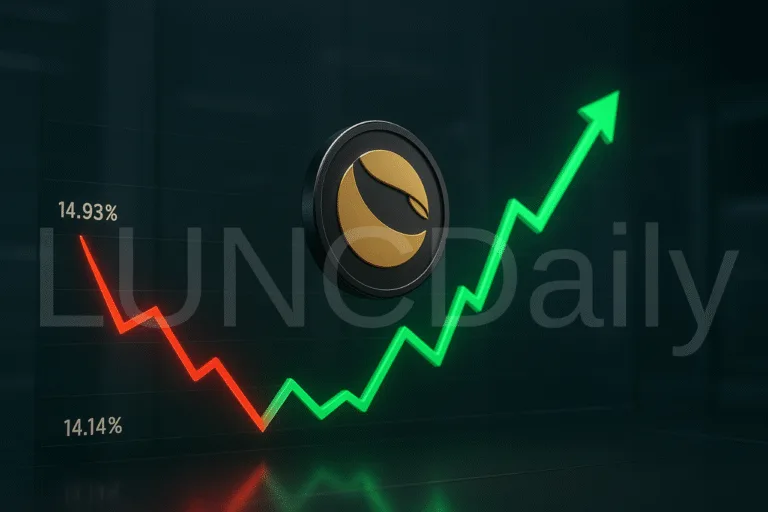
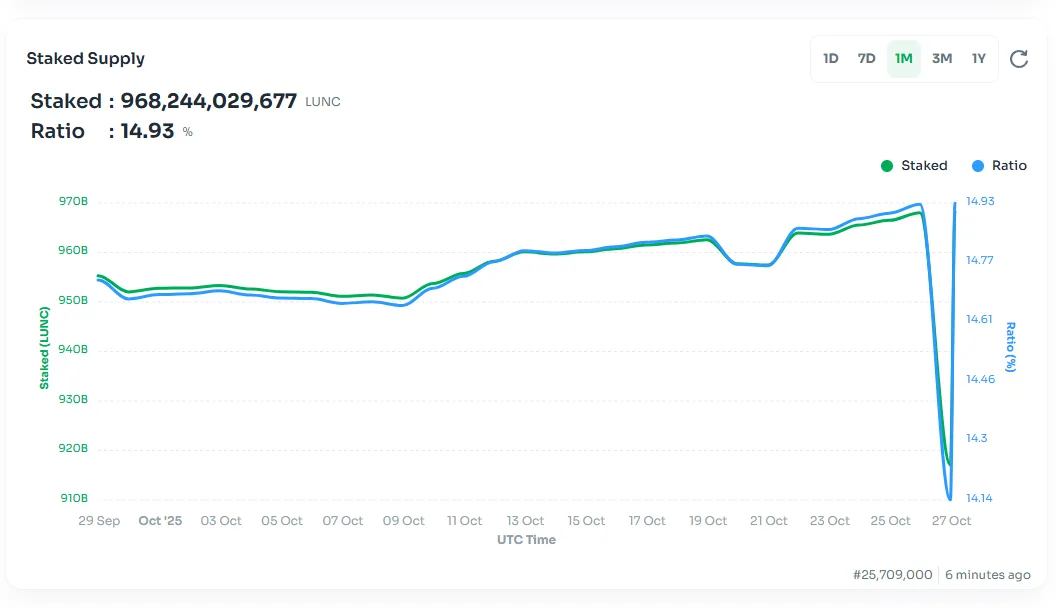
The Terra Classic (LUNC) staking ratio dropped sharply today from 14.93% to 14.14%, with the total staked amount falling from around 968 billion to 917 billion LUNC.

Within hours, the network quickly recovered — the ratio climbed back to 14.93%, and the staked supply returned to previous levels. Such rapid movement suggests a temporary event, possibly triggered by large validator redelegations, auto-compounding adjustments, or short-term unstaking actions.

LUNC staking ratio recovery chart showing quick rebound from 14.14% to 14.93%
LUNC staking ratio rapidly rebounds to 14.93% after a brief dip to 14.14%.

Despite this volatility, October data shows steady growth in staking participation, reflecting increasing confidence among Terra Classic delegators.

This quick rebound highlights the resilience of the Terra Classic ecosystem and how validator activity can impact staking dynamics in real time.

LUNC Builds Strong Ascending Triangle Pattern, Eyes Breakout Above 0.000047

LUNC Builds Strong Ascending Triangle Pattern, Eyes Breakout Above 0.000047

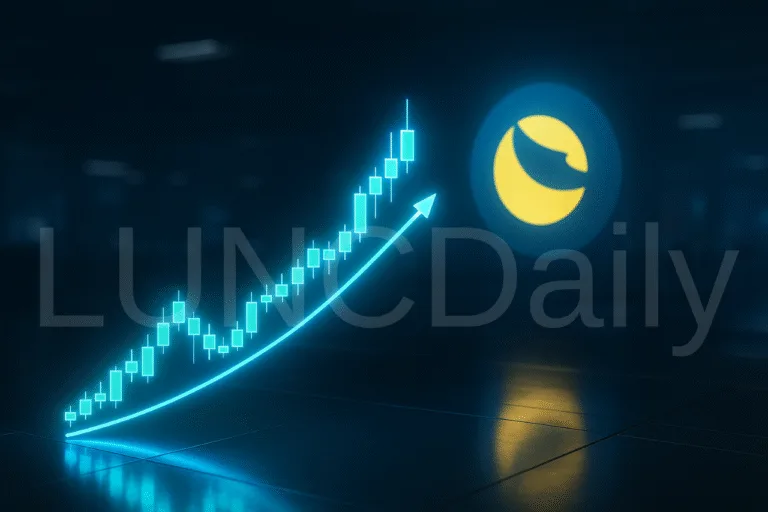
LUNC is showing a clear bullish structure on the 4-hour chart. The price has been following a rising trendline since mid-October, creating higher lows and confirming continuous buying momentum. Each time the price touches this support line, it quickly bounces back, signaling strong demand at lower levels.

This formation aligns with an ascending triangle pattern, a well-known bullish continuation setup in technical analysis. It typically forms during periods of consolidation before a potential breakout to the upside. The resistance level sits around 0.000047, while support is well defined near 0.000045.

Ascending triangle on the LUNC 4-hour chart. Resistance ~0.000047. Support ~0.000045.

If LUNC breaks and closes above 0.000047 with increased volume, it could mark the start of a short-term rally targeting 0.000050 and possibly 0.000052 in the following sessions. The overall trend remains positive as long as the price holds above the ascending trendline.

From a technical perspective, LUNC is consolidating in a healthy structure that suggests accumulation rather than weakness. The gradual higher lows and narrowing range indicate that the market may be preparing for a strong breakout move soon.

Traders should watch for a decisive close above resistance with volume to confirm the breakout. Conversely, a clean break and close below the rising trendline would invalidate the bullish scenario and require a reassessment of targets.

The key question now is whether LUNC can break above resistance and sustain momentum before the end of the week. If buyers maintain control, the next few candles could confirm the start of a bullish phase.

LUNC Burn Rate Slows to 194 Million Between October 19–25

0

LUNC Burn Rate Slows to 194 Million Between October 19–25

Summary: The Terra Classic (LUNC) community recorded a total of 194,933,746 LUNC burned between October 19 and October 25, 2025. This represents a slowdown in burn activity and may reflect softer trading volume and lower network engagement.

LUNC Burn Data (October 19–25, 2025)

Date LUNC Burned
October 19, 2025 20,365,645
October 20, 2025 16,603,146
October 21, 2025 48,434,058
October 22, 2025 38,392,307
October 23, 2025 41,333,685
October 24, 2025 26,061,086
October 25, 2025* 3,743,819

*October 25 is not yet complete; final daily burns may increase.

What This Means for the Terra Classic Community

The lower burn numbers this week underline the need for renewed momentum in the Terra Classic ecosystem. While burns are an important mechanism for reducing circulating supply, meaningful and sustained supply reduction depends on increased network usage, greater validator activity, and wider project adoption. Community-driven burn initiatives and partnerships that increase on-chain activity can help restore momentum.

Can Burns Reach 500 Million by the End of the Weekend?

Reaching a cumulative 500 million LUNC burned before the end of the weekend would require a significant uptick in activity and coordinated efforts. Given the current total of 194,933,746 LUNC for October 19–25, achieving 500 million in the same short window is unlikely without major, large-scale burn events or unusually heavy trading volume. However, sudden coordinated initiatives or high-volume transactions could increase burns materially before Sunday ends.

The community will be monitoring burn feeds and exchange activity closely over the weekend to see whether any large burns push totals toward that threshold.

Luna Classic Oracle Pool Drops Sharply Over the Past Year

Luna Classic Oracle Pool Drops Sharply Over the Past Year

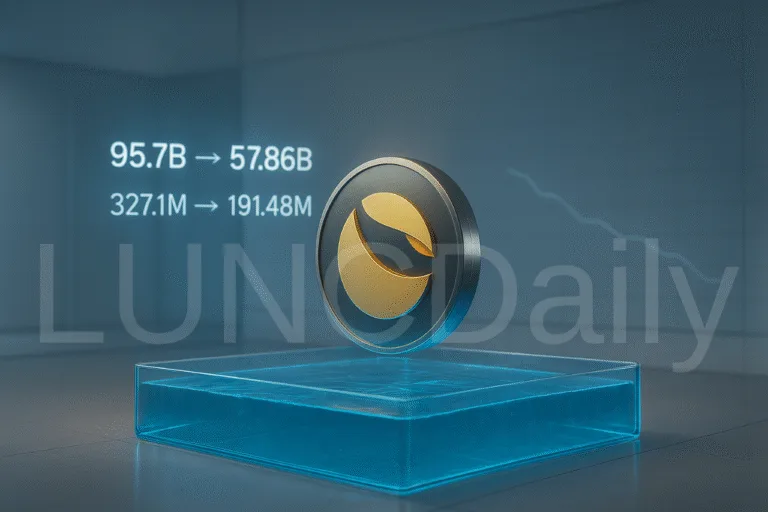
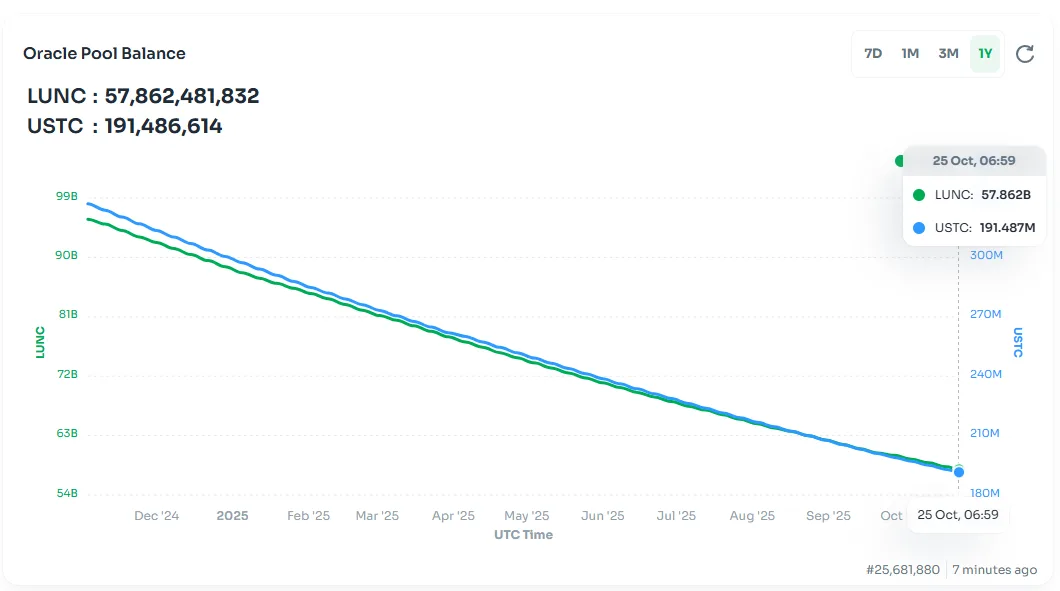
The Luna Classic (LUNC) Oracle Pool has seen a significant decline over the past twelve months. According to the latest data, the pool now holds 57.86 billion LUNC and 191.48 million USTC, compared to 95.7 billion LUNC and 327.1 million USTC recorded a year ago.

This steady drop highlights ongoing liquidity and sustainability challenges within the Terra Classic ecosystem. The Oracle Pool plays a key role in distributing staking rewards and maintaining validator incentives. As its balance continues to shrink, the community may face reduced staking returns unless new funding or mechanisms are introduced to stabilize it.

The downward trend began in late 2024 and has persisted throughout 2025, signaling the need for stronger ecosystem development and renewed governance attention. Several community discussions are already underway to find solutions that can restore the pool and support long-term growth.

Graph showing decline in Luna Classic Oracle Pool balances from 95.7B LUNC and 327.1M USTC to 57.86B LUNC and 191.48M USTC

Developers, validators, and community leaders are evaluating proposals that could introduce new revenue streams, optimize fee structures, or encourage token utility to replenish the Oracle Pool. Effective governance action will be essential to protect staking incentives and support network stability.

Despite the decline, the Luna Classic community is actively working on potential fixes and remains committed to long-term sustainability. Continued transparency, clear governance proposals, and collaborative development efforts will be critical to reversing the current trend.