

TOKEN2049 Singapore 2025 Shakes the Crypto World: Big Announcements, LUNC Revival, and Real World Innovation
The TOKEN2049 Conference in Singapore became one of the world’s largest crypto gatherings. Held from October 1 to 2 at Marina Bay Sands, the event drew more than 25,000 attendees including founders, investors, developers, and leading blockchain projects.
It was more than a conference. TOKEN2049 mixed high level discussions, entertainment, and innovation. From ziplines and DJ nights to panels on the future of decentralized finance, the event blended culture with technology to deliver a truly global crypto experience.
Beyond the excitement, the event delivered powerful updates that could shape the next phase of blockchain growth.
1. Alpaca Launches Instant Tokenization Network
Alpaca introduced its Instant Tokenization Network (ITN), a new system allowing 24 hour trading of tokenized US stocks such as Apple and Tesla directly on the blockchain. This innovation bridges traditional finance with crypto, eliminating settlement delays and making real world assets tradeable in real time.
2. Citrea Expands Bitcoin’s Capabilities
Citrea unveiled its upcoming Bitcoin mainnet project to enhance Bitcoin’s liquidity and utility. The aim is to evolve Bitcoin beyond a store of value into a functional network supporting smart contracts and decentralized applications.
3. Arthur Hayes Launches Maelstrom Equity
Arthur Hayes, co founder of BitMEX, announced Maelstrom Equity, a new investment arm focused on crypto and fintech startups. This move signals renewed confidence from major investors in blockchain’s long term potential.
4. DeFi and Mining Innovation
Several new decentralized finance and mining solutions made headlines:
- Hypersurface launched HyperEVM, enabling advanced trading strategies like covered calls.
- KuMining, a project by KuCoin, went live as a cloud mining platform offering transparent access to hashrate for everyday users.
5. Privacy and Real World Assets
Celo made two major announcements:
- XAUt0: a tokenized gold asset for cross chain trading.
- Nightfall: a privacy layer using zero knowledge proofs for secure, auditable business transactions.
These updates show how privacy and real world assets are becoming essential parts of blockchain’s evolution.
6. Security and Branding Upgrades
KuCoin unveiled a new brand slogan, “Trust First. Trade Next.” emphasizing transparency and user safety. Meanwhile, Digital Shield introduced Digital Shield Pro, a next generation hardware wallet with advanced encryption and multi chain support.
7. Juris Protocol Represents Terra Classic (LUNC)
A major highlight for the Luna Classic (LUNC) community came when the Juris Protocol team represented Terra Classic at TOKEN2049 Singapore. Their presence showcased the ongoing revival of LUNC and its expanding ecosystem to an international audience.
Juris Protocol’s discussions focused on rebuilding trust, governance, and real world use cases within the Terra Classic network, aligning with TOKEN2049’s theme of blockchain maturity. This moment confirmed that LUNC remains active within the Cosmos and DeFi ecosystem, attracting growing attention from global builders and investors.
8. Sanctions Controversy
TOKEN2049 also faced a small controversy when a rouble backed stablecoin project called A7A5 was listed as a sponsor. After questions about sanctions, both the project and its representatives were removed from the official site, reminding the community that compliance and regulation remain key pillars of crypto’s future.
Key Takeaways
| Trend | What It Means | |||||||||||||||||||||||||||||||||||||||||||||||||||||||||||||||
|---|---|---|---|---|---|---|---|---|---|---|---|---|---|---|---|---|---|---|---|---|---|---|---|---|---|---|---|---|---|---|---|---|---|---|---|---|---|---|---|---|---|---|---|---|---|---|---|---|---|---|---|---|---|---|---|---|---|---|---|---|---|---|---|---|
| Traditional finance meets crypto | Tokenized stocks and gold show blockchain’s real world potential. | |||||||||||||||||||||||||||||||||||||||||||||||||||||||||||||||
| Bitcoin’s new chapter | Projects like Citrea aim to make Bitcoin more functional and liquid. | |||||||||||||||||||||||||||||||||||||||||||||||||||||||||||||||
| Enterprise privacy and security | Businesses want safer and more private blockchain tools. | |||||||||||||||||||||||||||||||||||||||||||||||||||||||||||||||
LUNC’s global comeback
Welcome to Uptober Fest
Welcome to Uptober FestEvery October, the crypto community starts talking about “Uptober.” It’s a fun nickname that means prices—especially Bitcoin’s—often go up during this month. This doesn’t mean profits are guaranteed. Uptober is more like a pattern traders have noticed in past years. Many Octobers ended with strong price increases, especially compared to September, which usually performs worse for crypto. Where Did Uptober Come From?Uptober became popular because of two main reasons:
It got even more attention in 2020, 2021, and 2023, when Bitcoin and other coins performed really well in October. The pattern was so strong that traders began using Uptober as a signal to watch for possible rallies. What Uptober Means for TradersFor many traders, Uptober means a more positive market mood. People tend to take more risks, trade more actively, and buy dips faster. Here’s what different types of traders often do:
When more people expect prices to rise, it can create a cycle where optimism keeps pushing the market higher—at least for a while. How Bitcoin Performed in Past OctobersHere’s how Bitcoin’s price has moved in October over the last 10 years:
Data from CoinMarketCap and CoinGecko. The Risks You Should KnowEven though Uptober sounds exciting, it’s not always smooth sailing.
Always remember: Uptober is a tendency, not a promise. How to Use Uptober the Smart WayIf you want to make the most of Uptober without taking big risks, follow these steps:
Uptober is often a good time for opportunities, but the key is to stay disciplined and not get carried away by hype. Final ThoughtsUptober has earned its reputation because Bitcoin and other cryptocurrencies have often done well in October. It’s a time when optimism grows, trading picks up, and trends can strengthen. But Uptober isn’t magic—it’s just a pattern from the past. Smart traders use it for context, not as a guarantee. If you prepare early, stay alert, and manage risk, you can make the most of Uptober’s positive energy—while avoiding the common mistakes that catch beginners off guard. Massive 2.20 Billion LUNC Burn in Just 7 Days Signals Growing Momentum
Massive 2.20 Billion LUNC Burn in Just 7 Days Signals Growing MomentumIn the past 7 days, the Terra Classic community has achieved another major milestone by burning 2.20 billion LUNC, equivalent to $125,136. This steady burn rate shows that the community’s long-term goal of reducing the total supply and restoring value is still gaining traction. This burn reflects continuous commitment from validators, exchanges, and individual holders who are contributing to the ecosystem’s revival. With every token burned, the circulating supply decreases, helping to support long-term price stability and increase scarcity. According to data from LUNC burn trackers, community-led initiatives and transaction-based burns continue to play a vital role in keeping the deflationary momentum alive. As more exchanges and projects integrate Terra Classic’s network updates, the ecosystem’s utility and engagement are expected to expand. The consistent burns highlight that community efforts remain a powerful driving force behind LUNC’s recovery journey. The question now is not whether the community can maintain this momentum but how fast it can accelerate toward the next trillion burn milestone. Massive Burn Alert USTC Sees 1 Million Tokens Destroyed in Just 7 Days
USTC Burn Update: Over 1 Million Tokens Destroyed in 7 DaysIn the past week, the Terra Classic community burned more than 1,000,000 USTC, valued at around $11,340. This steady burn activity reflects the community’s ongoing effort to reduce USTC supply and support its recovery. USTC, the algorithmic stablecoin that lost its peg in 2022, remains a major focus for Terra Classic supporters. Each burn, though small compared to the total supply, marks steady progress toward restoring stability and trust in the ecosystem. The community continues to explore new methods to accelerate the burn rate through protocol updates and practical use cases for USTC. Alongside staking and development efforts, these initiatives aim to strengthen long-term confidence in Terra Classic. With consistent burns and growing participation, both USTC and LUNC could benefit as the Terra Classic network continues to rebuild and evolve. Terra Classic Community Rejects USTD Stablecoin Proposal Again with Heavy Veto Votes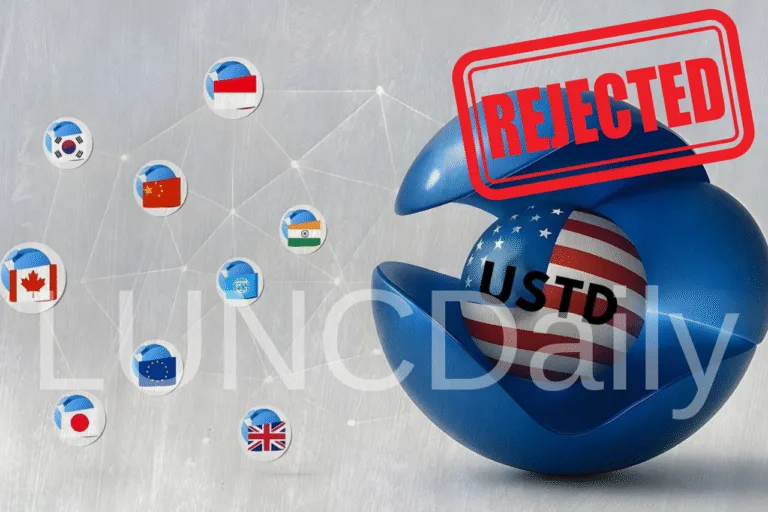
Terra Classic Community Rejects USTD Stablecoin Proposal Again with Heavy Veto VotesThe Terra Classic community has once again rejected the re-submission of the USTD proposal, which aimed to introduce a decentralized and fully automated yield-bearing stablecoin on the blockchain. Proposal #12195 went through a week of voting but ended in a decisive veto. The final results show: 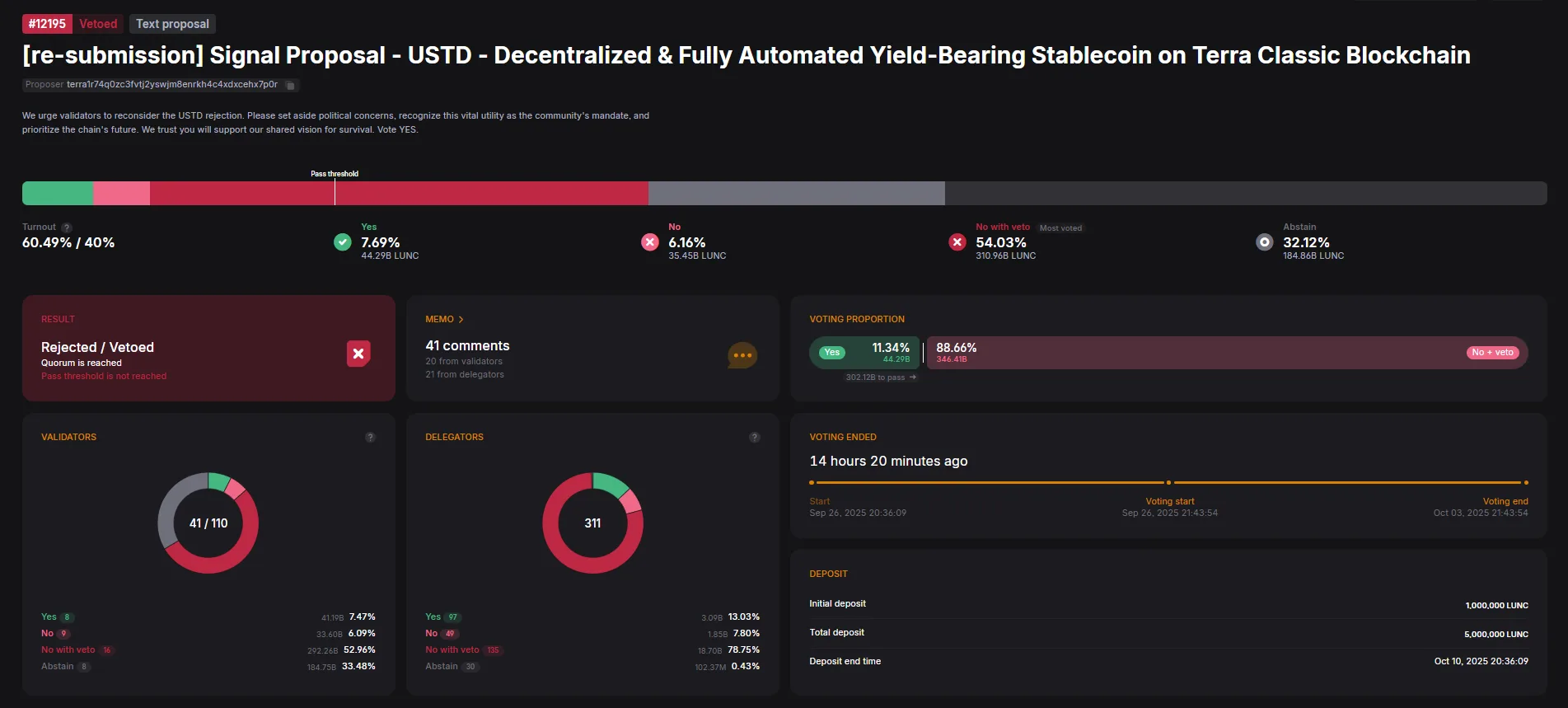
With more than half of the votes cast as No with Veto, the proposal was officially rejected and blocked. Turnout reached 60.49%, surpassing the quorum requirement, but the pass threshold was not met. Both validators and delegators expressed strong opposition. Of 110 validators, 41 participated in the vote, with 16 casting veto votes. Among delegators, 311 participated and 135 voted to veto. The scale of veto votes underscores broad concern across the community. The outcome signals that the community is not prepared to adopt a new stablecoin model at this time. Concerns raised included systemic risks to the chain, lack of safeguards, and the readiness of an automated yield-bearing mechanism. For now, Terra Classic governance remains cautious, prioritizing chain stability and long-term integrity over experimental token models. Future proposals will likely require stronger safeguards and broader community support to move forward. MIOFF “Legends Unboxed” NFT Collection on Luna Classic
MIOFF has officially launched its second NFT collection on Miata, and this release is already turning heads across the crypto community. 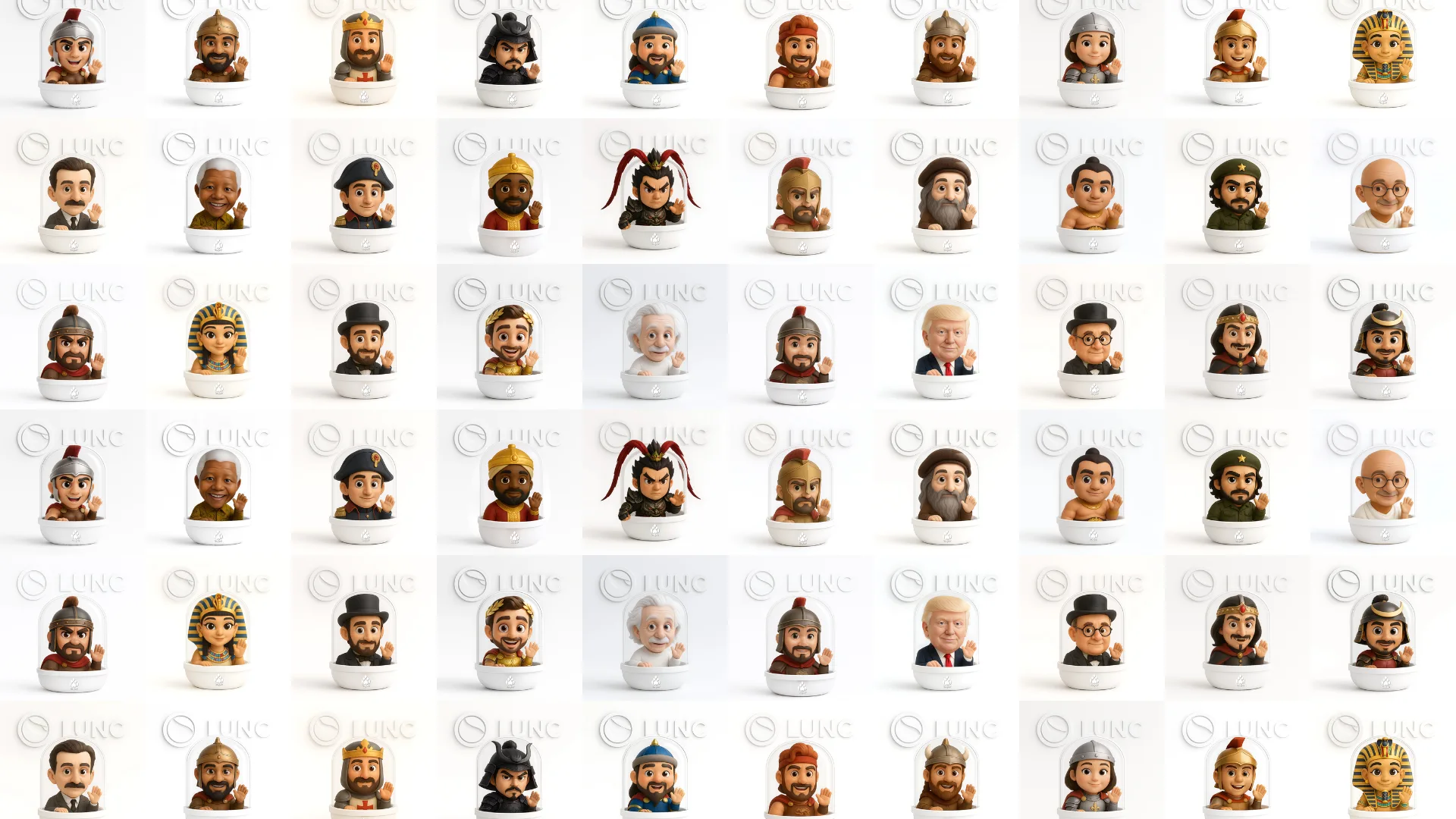 Introduction
Hosted on the Luna Classic (LUNC) network, Legends Unboxed is designed to spotlight historical icons while expanding the MIOFF token ecosystem. Collection Overview
The release features 30 unique NFTs, each limited to 20 copies, creating a total supply of 600. Utility and RewardsHolders gain access to exclusive benefits, including:
Economic Model
Proceeds from the NFT sales will be used for MIOFF token buybacks and injected into liquidity pools. Educational and Community Goals
Each NFT serves as both a collectible and an educational tool, encouraging cultural appreciation and dialogue. How to Buy
Collectors can purchase NFTs from the Legends Unboxed collection directly on Miata: Conclusion
MIOFF’s Legends Unboxed is more than a collection—it is a movement uniting culture, history, and DeFi innovation. How Long It Takes to Burn 2 Trillion LUNC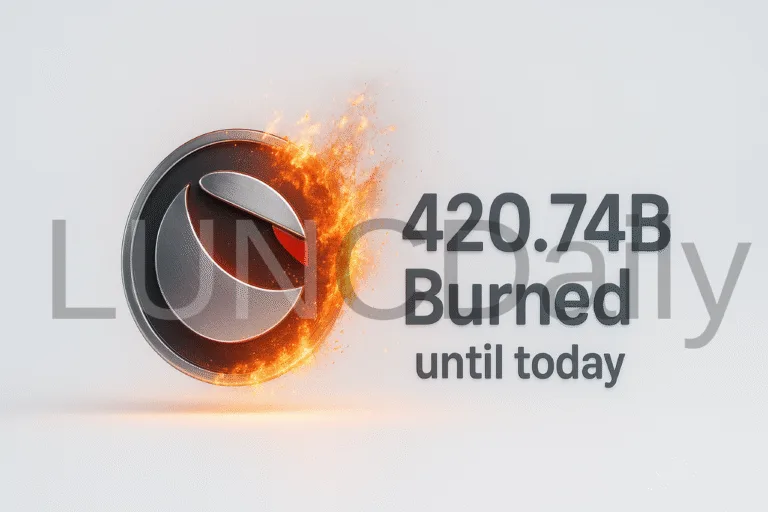
Three Months Before 2026: Over 420 Billion LUNC Burned Since 2022As 2026 approaches, the Terra Classic community continues to make progress in its long term revival efforts. One of the most significant milestones is the consistent burning of LUNC tokens, a mechanism designed to reduce supply and strengthen the ecosystem. From 2022 until today, a total of 420.74 billion LUNC has been permanently removed from circulation. This achievement reflects the dedication of validators, exchanges, and community members who have supported the burn initiative through trading fees, on chain proposals, and voluntary contributions. With just three months left before the new year, the burn campaign remains a central focus for those who believe in the long term potential of Terra Classic. While challenges remain, the steady reduction in circulating supply demonstrates the community’s persistence in restoring value to the LUNC token. Simple Explanation of the Burn SpeedTo make the numbers easy to understand, here is how the yearly burn estimate was calculated:
In simple words: the community is burning about 300 million LUNC per day, which equals roughly 112 billion per year. Projection for 2 Trillion LUNC BurnThe table below shows estimated timelines for reaching a total of 2 trillion LUNC burned at different speeds:
What This MeansIf the current rate continues, it may take until 2039 to burn 2 trillion LUNC. However, if the burn rate doubles or triples, the target could be reached much sooner, possibly before 2030. These numbers are averages. In reality, burn results depend on trading volume, exchange policies, governance decisions, and community efforts. Major one time burns or new mechanisms could change the timeline dramatically. ClosingThe milestone of 420.74 billion LUNC burned highlights the persistence of the Terra Classic community. By tracking averages and setting clear goals, holders and builders can better understand the long term path toward supply reduction and ecosystem growth. Bitcoin Surges Above $120K as Global Regulators Tighten Crypto Rules
Bitcoin Surges Above $120K as Global Regulators Tighten Crypto RulesThe cryptocurrency market has entered October with a sharp rally, pushing Bitcoin above $120,000 for the first time in two months. Ethereum and other major coins also gained momentum, supported by growing institutional interest and speculation about a potential shift in U.S. monetary policy. Current market data shows Bitcoin trading above $120,000, with intraday highs reaching over $121,000. Ethereum has also climbed past $4,400, marking strong inflows from investors. Analysts point to renewed confidence in digital assets, although volatility remains a key concern. At the same time, regulation is taking center stage. The U.S. Treasury and IRS have clarified that unrealized crypto gains typically will not trigger the 15 percent corporate minimum tax, a relief for companies holding large digital asset portfolios. Meanwhile, the U.S. Securities and Exchange Commission is preparing new rules requiring crypto firms to comply with expanded recordkeeping and reporting obligations. Globally, the Financial Action Task Force has urged stronger international coordination, warning that many jurisdictions still lack effective oversight of crypto activity. Security also remains a pressing issue, with global crypto thefts in 2025 already exceeding $2.17 billion, highlighting persistent risks for exchanges and investors. Industry leaders, including Robinhood’s CEO, predict that tokenization of traditional assets such as stocks and real estate will accelerate, bridging the gap between conventional finance and blockchain. At the same time, stablecoins are gaining recognition as a key financial infrastructure, drawing closer scrutiny from regulators worldwide. The overall impact is clear: crypto is no longer operating on the fringes of the financial system. With rising prices, expanding institutional adoption, and increasing regulatory pressure, the digital asset space is becoming more closely tied to global markets. With 3 Hours Left, USTD Resubmission Proposal on Terra Classic Is Expected to Be Rejected
The resubmission of the USTD proposal, aiming to create a decentralized and fully automated yield bearing stablecoin on Terra Classic, is heading toward rejection as the voting period nears its end. With just over three hours remaining, the results show strong opposition from the community. Current voting data indicates:
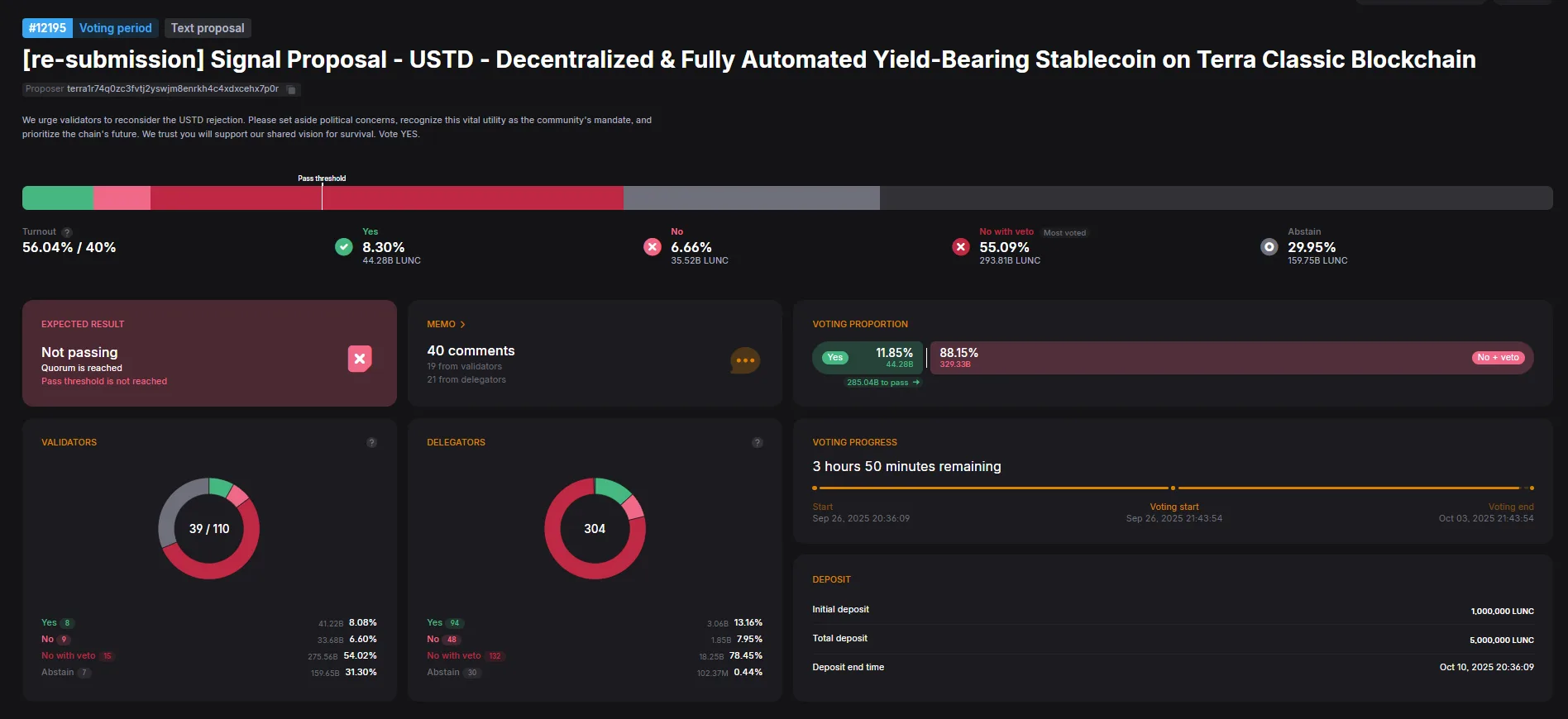
The turnout stands at 56.04%, surpassing the required quorum. However, the high percentage of No with Veto votes makes the proposal rejection almost certain. Out of 110 validators, only eight supported the initiative while fifteen voted to veto it. Among delegators, 132 also vetoed the proposal. Supporters of USTD argued that such a stablecoin could restore on chain utility and generate yield for participants. But many in the community remain cautious, citing the risks associated with introducing another algorithmic stablecoin after the collapse of UST in 2022. The expected rejection highlights the Terra Classic community preference for security and sustainability over experimental approaches. Whether future proposals will adapt to these concerns or explore alternative directions remains to be seen. New Terra Classic Documentation Site Launches for Builders and Community Contributors
New Terra Classic Documentation Site Launches for Builders and Community ContributorsThe Terra Classic community now has access to a modernized documentation site designed for builders and new users seeking up-to-date information. The new site is available at docs.terra-classic.io. To support the project, a dedicated GitHub repository has been created at github.com/terra-classic-io/website. This repository automatically deploys updates once changes are approved. While the site is not considered official, it provides a centralized solution that aims to maximize community contributions and expand the number of reviewers and maintainers over time. Currently, the initial maintainers include Stractcole, @frag_dude, and @UncodeLounge. Developers and community members who wish to contribute can review the technical details in the CONTRIBUTE.md file. Contributions are encouraged through issues or pull requests, which will be open for discussion and feedback from the community. The documentation project is released under the MIT license to ensure minimal concerns regarding ownership. This allows flexibility in moving the content and design to another hosting solution if required. The Terra Classic ecosystem continues to grow, and the documentation site represents another step forward in supporting developers and community members with reliable resources. Explore the new documentation at docs.terra-classic.io. |