
Home Blog Page 92

Crypto Market Dips Hard: What’s Behind the Drop and How It Affects LUNC

The crypto market is facing a sharp correction as global economic tensions, regulatory concerns, and investor panic drive widespread sell-offs. Bitcoin has fallen below $78,000, while Ethereum dipped nearly 12%, signaling a broader shift in market sentiment. This crash hasn’t spared altcoins and LUNC (Terra Classic) has been hit particularly hard.

What’s Causing the Crash?
Global Economic Tensions U.S. President Donald Trump’s announcement of new trade tariffs has reignited fears of a trade war. Traditional markets reacted with a sell-off, and crypto quickly followed as investors looked to reduce risk exposure across the board.

Volatility Spikes The VIX volatility index hit pandemic-era highs, showing how nervous investors have become. Crypto, known for its high volatility, is often the first asset class investors exit in uncertain times.

Regulatory and Security Pressures A mix of tighter regulations in major markets and ongoing issues with security on some exchanges has further weakened investor confidence. These pressures have accelerated the downturn across the board.

How This Impacts LUNC
Terra Classic (LUNC), already a speculative and highly community-driven token, is facing increased selling pressure in the current climate. Here’s how the market conditions are directly impacting LUNC:

Liquidity Drain: When fear spreads in the crypto space, small-cap tokens like LUNC suffer from low liquidity. Traders are exiting into stablecoins or BTC, leaving altcoins behind.

Weakened Burn Momentum: The LUNC burn narrative, which has often provided hope for price recovery, is losing traction as trading volume drops across exchanges.

Investor Sentiment: LUNC holders, many of whom are long-term supporters post-Terra collapse, are starting to show signs of frustration. Community morale is dipping as hopes for a recovery are overshadowed by broader market panic.

Is There Hope for Recovery?
While the short-term outlook looks grim, some analysts believe this could be a healthy reset. If macroeconomic factors stabilize and Bitcoin regains strength, altcoins like LUNC could bounce back—especially if the community continues its efforts toward utility, burns, and ecosystem development.

For now, LUNC holders are urged to stay informed, avoid panic-selling, and watch key support levels closely.

Bybit to Support Terra Classic (LUNC) v3.4.3 Network Upgrade

Bybit will be supporting the Terra Classic (LUNC) v3.4.3 network upgrade, which is expected to take place on Apr 07, 2025, 07:00PM UTC, at the block height of 22,773,300.

To ensure a smooth transition, deposits and withdrawals via Terra Classic (LUNC) will be temporarily suspended starting from Apr 07, 2025, 06:00PM UTC.

Rest assured, other activities such as trading will not be affected.

How MIOFF Token, Through World Folklore Festivals, Culture, and Tradition, is Promoting #LUNC

In the rapidly evolving world of blockchain and decentralized finance, cultural relevance and community engagement are becoming powerful tools for driving adoption. The MIOFF Token, a Layer 2 (L2) project built on the Terra Classic (LUNC) network, exemplifies this shift by blending the timeless appeal of folklore festivals, culture, and global tradition with cutting-edge crypto innovation. MIOFF is not just another token—it is a cultural ambassador, playing a unique and vital role in the revitalization of the LUNC ecosystem.

World folklore festivals are vivid expressions of local heritage, music, dance, and storytelling, attracting millions across continents. MIOFF has tapped into this universal language by actively partnering with international folklore events, becoming a bridge between traditional communities and the digital world. Through sponsorships, NFT integrations, and event-based rewards, MIOFF creates immersive experiences that educate participants about Terra Classic and #LUNC. By embedding itself into cultural movements, the token garners organic attention far beyond the typical crypto space, introducing new users to LUNC in a way that feels natural and meaningful.

MIOFF’s role as a Layer 2 project on Terra Classic is especially crucial. Following the UST depeg incident, the LUNC network has undergone a community-led renaissance, with renewed focus on decentralization and utility. MIOFF contributes directly to this recovery by driving transaction volume, user engagement, and cross-chain visibility. Its folklore festival integration promotes mass adoption not only of the token but of the LUNC chain itself—offering real-world use cases, driving DeFi interactions, and boosting validator and staking activity.

Furthermore, MIOFF’s strategy aligns perfectly with the grassroots nature of the Terra Classic revival. It is a project built by and for the community, using culture—a universally understood medium—as its tool. As MIOFF spreads across festivals from Europe to Asia to the Americas, it weaves a narrative that transcends blockchain: one of tradition meeting innovation, and of a global culture that embraces the future without losing its past.

In essence, MIOFF is proving that the soul of LUNC can be revived not only through technology, but through human connection—one festival at a time.

Dead Chain or Sleeping Giant: How LUNC Compares to Other Fallen Projects

In the fast-moving world of cryptocurrency, many projects have risen to prominence only to face dramatic setbacks. Names like XRP and EOS come to mind when discussing platforms that once held major market positions before running into challenges. Now, LUNC has joined that list of fallen giants but unlike others, it is showing signs of life that continue to capture the attention of analysts and investors.

LUNC’s downfall was one of the most talked-about events in recent crypto history. Following the collapse of the Terra ecosystem, confidence in the project plummeted, and its token value suffered a steep decline. What has surprised many, however, is that the project did not simply fade into irrelevance. Instead, it has remained active, supported by a community that refuses to walk away.

This community has become one of LUNC’s most valuable assets. Validators are still involved in governance decisions, developers continue to push technical updates, and new contributors are bringing ideas and energy to the table. While the project may have lost its initial momentum, the commitment of its supporters has created a foundation for potential recovery.

When compared to other projects that have struggled after setbacks, the contrast is striking. EOS, once positioned as a scalable alternative to Ethereum, lost much of its developer interest over time and struggled to deliver on early promises. XRP, although still among the top assets by market cap, has been hampered by ongoing legal battles that have affected its market position and development pace.

LUNC, in contrast, is leaning into a grassroots approach. It is not dependent on large institutional backing or a central organization to chart its course. Much of the current progress is being driven by individuals and small teams who believe in the potential of rebuilding. These efforts include token burns designed to reduce supply, governance participation aimed at keeping the network functional, and community-driven initiatives to expand utility.

This level of involvement may not lead to immediate results, but it creates the conditions for long-term resilience. In a space where many projects are quick to rise and quicker to fall, the ability to maintain activity through adversity is often a signal worth watching.

Whether LUNC can fully recover is still an open question. Its future depends on a combination of factors: continued development, increased network utility, favorable market conditions, and the ongoing strength of its community. What is already clear, though, is that LUNC is far from inactive. It is evolving, with participants who remain committed to giving it a second chance.

For now, LUNC stands as a reminder that not every fallen project is finished. Some are still writing their next chapter. And in that story, community may prove to be the most powerful force of all.

Will USTC and LUNC Ever Reunite in a Stable Ecosystem?

The original vision behind the Terra ecosystem was centered on innovation in decentralized finance. At the heart of this system were two core components: Terra Luna Classic (LUNC) and its algorithmic stablecoin, USTC. Together, they aimed to create a self-sustaining and stable financial network that could function outside of traditional systems. However, when the mechanism underpinning this relationship failed, it led to one of the most dramatic breakdowns in crypto history. The connection between LUNC and USTC was severed, and confidence in algorithmic stablecoins declined sharply.

Today, the idea of reuniting LUNC and USTC is once again being discussed, though with far more caution and technical oversight. Some developers and members of the Terra Classic community are evaluating whether it is possible to reintroduce a stablecoin model in a safer, more sustainable way. This time, the focus is not only on innovation but also on building in protections, conducting detailed risk assessments, and ensuring the community has a say in every major decision.

There is a growing belief that if executed responsibly, a stablecoin mechanism could bring new utility to the ecosystem. It would offer a practical use case beyond trading, provide a consistent medium of exchange, and allow LUNC to take on a broader role in decentralized finance. This kind of development could attract more builders and users to the network, contributing to a healthier and more diverse economy.

Still, there are valid concerns. Many remember the speed at which the original system collapsed, and the damage it caused. Any attempt to restore this connection must be based on sound economic models and guided by strong governance. The community has learned that stability requires more than algorithms. It demands transparency, adaptability, and open collaboration.

Even without a formal relinking, both LUNC and USTC are gradually finding new roles. LUNC is being integrated into staking platforms and liquidity pools, while USTC is being considered for limited use in pilot programs. These efforts reflect a commitment to responsible growth and a desire to rebuild with care.

What makes this moment unique is the shift in mindset. There is less urgency to rush into bold experiments and more emphasis on creating lasting value. The possibility of reuniting LUNC and USTC remains uncertain, but the progress being made today is laying the foundation for a more stable and useful ecosystem in the future.

If the lessons of the past continue to shape the actions of the present, there is a chance that Terra Classic could write a new chapter where its assets not only survive but thrive in a more mature and resilient environment.

Rebuilding Utility: LUNC’s Push into DeFi and Applications

In the evolving world of digital assets, long-term value depends not just on market sentiment but on genuine utility. Terra Luna Classic, once known primarily for its volatile history, is now working to redefine its purpose within the blockchain space. In 2025, the focus has shifted toward decentralized finance and real-world applications, with promising developments beginning to take shape.

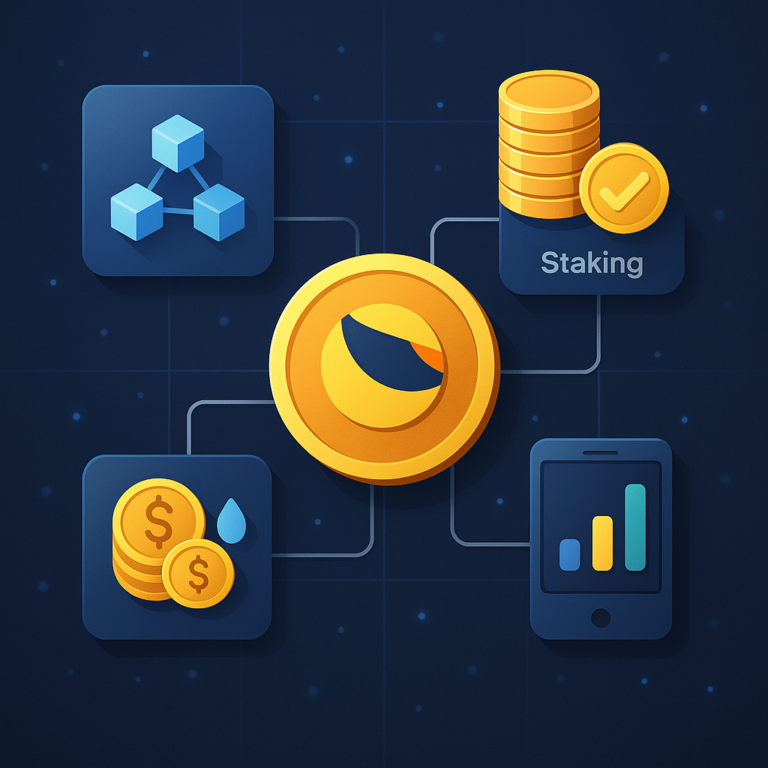
One of the most important changes involves the integration of LUNC into decentralized finance platforms. Staking options are becoming more widely available, giving token holders a way to earn passive rewards while contributing to the security and governance of the network. These opportunities are also helping to restore confidence in the token, encouraging users to become more involved in its ecosystem.

Liquidity pools featuring LUNC are now appearing across several decentralized exchanges. These pools allow users to provide liquidity in exchange for yield, improving the overall health of the market and reducing volatility. Participation in such pools not only supports the broader infrastructure but also offers users a practical reason to hold and use LUNC.

Beyond financial tools, developers and community leaders are also exploring broader use cases. Conversations around LUNC’s role in decentralized applications and blockchain-based services are gaining momentum. These include smart contract functionality, payment integrations, and other real-world utilities that can bring lasting value to the token.

This shift marks a significant turning point. In the past, LUNC was often viewed as a speculative asset with limited purpose. Today, the goal is to build something more sustainable. The community is emphasizing measured progress, responsible development, and clear value creation over short-term price movements.

What stands out in 2025 is the renewed commitment to practical innovation. Rather than relying on hype, LUNC’s recovery strategy is grounded in collaboration, transparency, and utility. The success of this transformation will depend on continued development and growing support from both users and platforms.

If these efforts continue on their current path, LUNC could evolve into a meaningful part of the decentralized economy. The foundation is being rebuilt thoughtfully, and the possibilities are expanding with each new step. This is not just a revival, it is a reinvention driven by real use and long-term potential.

Why Some Investors Are Targeting Ten Million LUNC by April

A growing number of LUNC investors are setting their sights on a specific target: holding ten million tokens by April 2025. This trend has taken shape across social media platforms, where community members are sharing strategies, projections, and a renewed sense of optimism around the future of Terra Classic.

The idea behind the ten-million mark is based on a mix of speculation and long-term potential. Supporters of the movement believe that if the current momentum continues—particularly around token burns and ecosystem development—LUNC could experience meaningful price appreciation over time. Even a modest increase in value, such as reaching a fraction of a cent, could turn a relatively small investment into a notable return.

One of the primary drivers of this strategy is the ongoing effort to reduce LUNC’s circulating supply. More than 100 billion tokens have already been burned, and community-driven burn initiatives remain active. While there is still a large supply remaining, many in the community believe that continued burning, combined with growing interest, could set the stage for a future price recovery.

Another factor contributing to this trend is the strength of the LUNC community. Despite significant setbacks in the past, developers are continuing to make improvements to the network, validators are maintaining participation in governance, and content creators are helping to spread awareness. This persistent involvement gives some investors confidence that Terra Classic still has the potential to evolve into a more sustainable and valuable ecosystem.

Although the target of ten million tokens is largely symbolic, it reflects a mindset focused on accumulation and long-term holding. For some, it is a personal milestone. For others, it represents a broader belief in the possibility of a comeback. While it remains a speculative approach, it is also rooted in community engagement and forward-looking thinking.

Of course, the future of LUNC depends on many factors that go beyond community sentiment. Broader market trends, network utility, developer progress, and overall demand will all play a role in determining the token’s direction. Still, the increasing number of individuals pursuing this ten-million goal suggests that interest in LUNC has not only persisted, but is gaining new momentum.

For now, this movement serves as a reminder that belief and strategy continue to drive participation in crypto. Whether LUNC ultimately meets investor expectations is uncertain, but the determination behind this grassroots goal reflects a community that remains focused, active, and willing to play the long game.

From Collapse to Comeback: Terra Classic’s Strategy in 2025

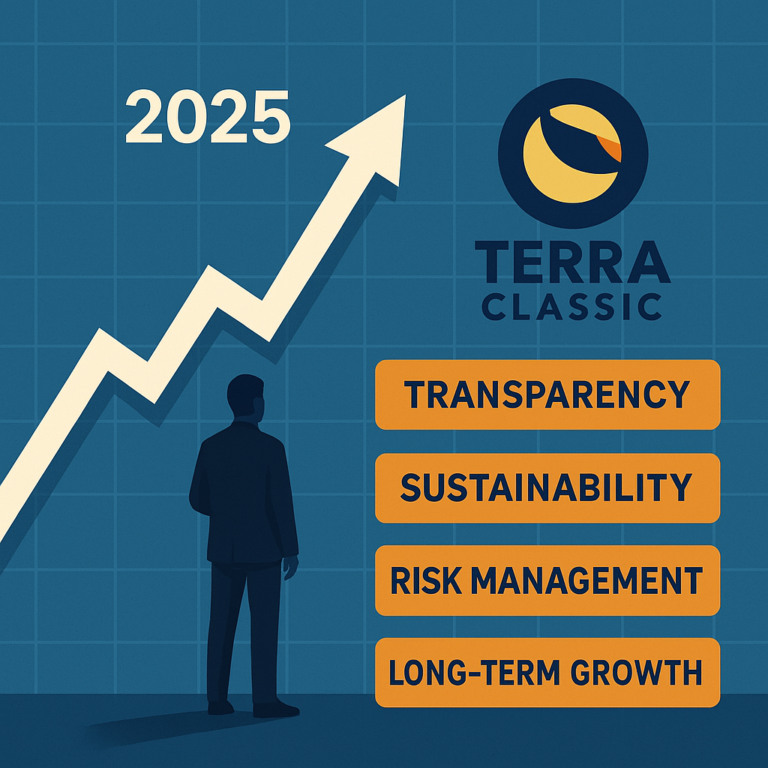
After suffering one of the most severe setbacks in cryptocurrency history, Terra Classic is now navigating a path toward recovery with a renewed focus on stability, transparency, and long-term growth. The collapse of the original Terra ecosystem in 2022 left lasting damage across the industry, but in 2025, the project is gradually regaining credibility by adopting a more measured and community-led approach.

One of the most significant changes has been in governance. Rather than relying on centralized decision-making, the Terra Classic network now operates through an open and participatory process. Proposals are submitted and voted on transparently by token holders, allowing for greater accountability and collaboration. This shift has helped reestablish trust and given the community a stronger voice in shaping the project’s future.

The development team has also realigned its priorities. Instead of pursuing speculative ventures or rapid expansion, the focus has turned toward building a secure and sustainable foundation. Technical upgrades are being introduced thoughtfully, with a clear emphasis on risk management and responsible growth. Developers are working to improve the reliability of the network, enhance its infrastructure, and support initiatives that offer long-term utility.

A major pillar of the 2025 strategy is sustainability. Terra Classic is investing in practical applications and tools that can withstand market volatility and provide consistent value to users. This includes support for decentralized applications, streamlined validator operations, and improvements in smart contract functionality. The project’s roadmap is now guided by realistic goals, designed to deliver steady progress over time rather than dramatic short-term gains.

The community’s experience in the past has shaped a more cautious outlook. Risk management is no longer an afterthought but a central element of every decision. Lessons from the previous collapse have influenced the design of new protocols, with greater attention given to safeguards, security audits, and overall system resilience. Each new initiative is carefully evaluated for both technical soundness and its potential impact on the ecosystem.

While Terra Classic still faces significant challenges, the progress made in 2025 reflects a commitment to responsible innovation and community-led growth. The tone has shifted from one of urgency to one of patience. Instead of chasing headlines or speculative price movements, the project is focusing on rebuilding its foundation and strengthening relationships with its user base.

The journey from collapse to comeback is not a simple one, but Terra Classic has shown that recovery is possible when a community works together with clear values and a shared vision. By prioritizing transparency, sustainability, and long-term planning, the project is gradually earning back the confidence of those who continue to believe in its potential.

The Community That Won’t Die: Inside LUNC’s Grassroots Movement

The journey of LUNC has been anything but smooth. Once at the center of one of the most dramatic collapses in cryptocurrency history, many assumed it would quietly fade away. But against all expectations, LUNC is still here. Not because of corporate backing or large-scale institutional support, but because of a determined and deeply committed community that refuses to give up.

At the core of this persistence is a decentralized group of validators, developers, and everyday holders who continue to invest their time, skills, and energy into keeping the network alive. Community validators are actively participating in governance, voting on proposals and helping shape the future of the chain. Their involvement has ensured that decisions remain transparent and in the hands of those who care about the project’s direction.

Developers, many of whom work independently or in small volunteer teams, are steadily rolling out upgrades to the network. These may not be headline-grabbing innovations, but they are essential improvements that maintain the blockchain’s functionality and keep the door open for future growth. Every update, no matter how incremental, adds another building block to LUNC’s slow but ongoing evolution.

What makes the LUNC community unique is how it has embraced its grassroots nature. Across platforms like Twitter, Reddit, and Telegram, the conversation continues every day. Social media campaigns help amplify key events such as token burns, development milestones, and governance updates. These efforts are not coordinated by a single organization but emerge organically from the enthusiasm of the community itself.

Education has also become a central part of this movement. Community members have created content to explain how the blockchain works, how proposals are submitted, and what goals the network is pursuing. These educational efforts are helping new users find their footing and encouraging broader participation.

There is also a growing sense of collaboration. Independent projects, from staking tools to community dashboards, are being developed by users who want to contribute in meaningful ways. While small in scale, these tools help create a more user-friendly ecosystem, supporting LUNC’s vision of long-term sustainability.

What is perhaps most inspiring is that this revival is not driven by the promise of quick returns. It is powered by people who believe in rebuilding something meaningful. They are not waiting for a perfect moment or a market rally. They are showing up, contributing what they can, and shaping the future of the network together.

The story of LUNC is still unfolding. It may not yet be a comeback story in the traditional sense, but it is a rare example of how decentralized communities can persist through difficulty. In a market that often moves quickly and forgets easily, the LUNC community has chosen a different path. They are proving that strength does not always come from size or speed. Sometimes, it comes from simply refusing to quit.

Burn Stats Breakdown: Can LUNC Realistically Hit One Cent?

The idea of LUNC reaching one cent has become a popular aspiration within the Terra Classic community. It is a vision that has gained traction, fueled by growing support for token burns and renewed interest in revitalizing the ecosystem. But while the goal is ambitious, achieving it will require more than hope and momentum. A careful look at the numbers and the broader context reveals a path that is both challenging and potentially possible under the right conditions.

So far, more than 100 billion LUNC tokens have been burned. This figure is a strong indicator of community involvement and commitment. Each burn contributes to reducing the overall supply, which is a critical step in improving the token’s long-term value. However, despite this progress, the total supply still remains in the trillions. This means the impact of burns, while meaningful, is still relatively small compared to what would be needed to reach the one-cent target.

To make significant progress toward that price level, two things would need to happen together. The first is a substantial and sustained reduction in token supply. The second is a meaningful increase in demand. These two forces must work in tandem, and neither alone would be sufficient to push the price to that milestone.

Creating demand is closely tied to utility. If people are going to use or hold LUNC, the token must serve a purpose beyond speculation. This involves integrating LUNC into practical use cases such as decentralized applications, staking mechanisms, governance systems, and other services that encourage ongoing activity on the network. When a token has real utility, it naturally becomes more attractive to a broader audience.

Equally important is the growth and health of the Terra Classic ecosystem itself. Development teams must continue improving the infrastructure, maintaining stability, and introducing new features. Progress on this front helps build trust and keeps the community engaged. A strong and active network provides the foundation needed for any meaningful increase in value.

Partnerships also play a vital role. Whether through integrations with exchanges, collaborations with developers, or participation in multi-chain ecosystems, visibility and utility go hand in hand. As LUNC becomes more accessible and connected with other parts of the crypto world, the opportunity for increased demand grows.

Of course, market conditions will always influence progress. The broader sentiment in the cryptocurrency space, along with macroeconomic trends, can either support or slow down momentum. While these factors are outside of any single community’s control, having a clear and disciplined strategy can help LUNC navigate through both favorable and challenging periods.

In conclusion, while reaching one cent is an ambitious goal, it is not entirely out of reach. The road to that milestone will require a strategic approach that goes beyond burning tokens. It will involve growing the ecosystem, expanding utility, forming valuable partnerships, and remaining focused on long-term development. For those committed to the journey, steady progress and consistent effort will be key to turning vision into possibility.