
Home Blog Page 93

Terraform Labs’ Two Billion Token Burn: Cleaning House or Just a Smokescreen

Terraform Labs has initiated the burn of more than two billion LUNC and USTC tokens, a move tied to the company’s recent legal settlement with the United States Securities and Exchange Commission. On paper, this is a major step toward reducing the circulating supply of both tokens, which many believe is crucial to restoring long-term value within the Terra ecosystem. Yet, beneath the surface, questions remain about whether this act is a genuine attempt to support recovery or a strategic move aimed at managing public perception.

For many in the crypto community, token burns are a familiar and often welcomed tool. By removing tokens from circulation, the total supply decreases, which can contribute to increased scarcity. When paired with consistent or rising demand, this scarcity has the potential to positively influence price. In this case, the scale of the burn — over two billion tokens makes it one of the most significant supply reducing actions in the Terra ecosystem’s history.

However, the context of this burn introduces a layer of complexity. This was not a voluntary initiative aimed at ecosystem revitalization. Instead, it was a condition stemming from a legal settlement. Terraform Labs has been under intense regulatory scrutiny following the collapse of the original Terra blockchain and the destabilization of its algorithmic stablecoin, UST. These events triggered one of the most dramatic downturns in recent crypto history, erasing billions in market value and shaking investor confidence across the sector.

Given this background, some members of the community remain skeptical. They argue that the token burn could be more about image management than actual ecosystem reform. From their perspective, aligning the burn with a regulatory settlement gives it the appearance of damage control rather than proactive governance. The concern is that the company is using a highly visible action one that is typically associated with positive momentum to mask broader issues that remain unresolved.

Despite the mixed reactions, the end result is the same. The total supply of LUNC and USTC has been significantly reduced. When combined with ongoing community-led efforts, such as validator support, protocol upgrades, and independent development initiatives, this burn could contribute to a more favorable environment for gradual recovery. Many community members have been working tirelessly to rebuild trust and create sustainable growth. In that context, any reduction in supply helps amplify their efforts.

It is also worth noting that perception in the cryptocurrency market can be as powerful as fundamentals. Even if the burn’s timing and motive are questioned, the act itself sends a message that some degree of structural correction is underway. For investors sitting on the sidelines, this might serve as a signal that the project is not entirely abandoned, and that the foundation for recovery though still fragile is being reinforced.

In conclusion, while the intentions behind Terraform Labs’ token burn remain open to interpretation, its impact on the circulating supply is measurable and significant. Whether it was a strategic decision made under pressure or a sincere effort to support the community, the action aligns with one of the core goals of those still committed to the Terra Classic ecosystem: reducing excess supply and restoring credibility. What happens next will depend largely on how the broader community continues to respond, and whether Terraform Labs takes further steps to rebuild trust with those still invested in its future.
Is LUNC’s Price Bottoming Out or Just Taking a Breather?

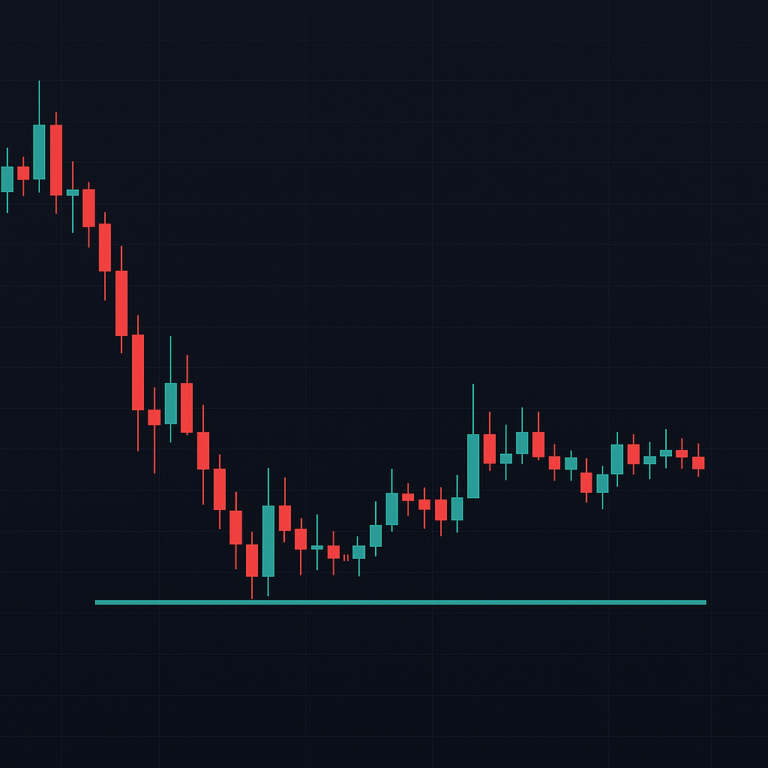
LUNC, the native token of Terra Classic, is once again drawing attention from traders and investors as its price continues to hover around a critical support level. This behavior has raised a key question in the minds of many market participants. Is LUNC forming a price bottom, or are we simply witnessing a pause in movement before the next shift in direction?

Recent trading patterns show LUNC moving within a relatively narrow range, a classic sign of consolidation. This type of market behavior often reflects uncertainty, as both buyers and sellers wait for a clear signal. In many cases, it can be a sign that a larger move is on the horizon. Whether that move will be to the upside or downside is still unclear, but certain developments could begin to tip the balance.

One factor that continues to influence sentiment is the ongoing token burn initiative. The goal of these efforts is to reduce the total supply of LUNC in circulation. In theory, a smaller supply combined with steady or increasing demand should help support the price. Several community-led groups and platforms have committed to regular burns, which has sparked cautious optimism among holders. While the results of these actions may not be immediate, the long-term effect could be significant if the pace continues or intensifies.

Beyond the supply-side considerations, the broader outlook for LUNC depends heavily on the progress of the Terra Classic ecosystem. Updates to the network, improvements to governance, or new use cases could all contribute to renewed interest. When blockchain projects show tangible signs of progress or innovation, it tends to strengthen community confidence and attract fresh investment. At the moment, LUNC appears to be in a transitional phase, and the next few developments will likely be critical in shaping its direction.

Market psychology also plays an important role in situations like this. After experiencing sharp declines in the past, many traders are hesitant to jump back in too quickly. However, there is also a growing segment of the community that believes the worst may already be behind them. This creates a delicate balance between caution and optimism, which often leads to the kind of sideways trading we are seeing now.

It is also important to consider the larger environment in which LUNC operates. Broader trends in the crypto market, investor sentiment across risk assets, and global financial conditions all have the potential to influence price movements. Even the most promising projects are not immune to shifts in macroeconomic conditions, which makes it essential to watch both internal and external factors closely.

For long-term holders, this may be a time to observe rather than act. Patience, careful research, and a clear strategy are more important than ever. For those looking to enter the market, it may be worth waiting for a stronger confirmation of trend reversal or a clear sign of bullish momentum. Whether LUNC is bottoming out or simply catching its breath will become clearer as the weeks unfold.

In summary, the current phase of stability in LUNC’s price could be a sign of a forming base, or it might be just another pause in a longer-term trend. What happens next will likely depend on a mix of community action, network progress, and broader market conditions. As always in crypto, staying informed and thinking long-term will remain key.

LUNC on Fire: How Binance’s Massive Token Burn is Fueling Revival Hopes

The Terra Luna Classic (LUNC) community is buzzing with excitement after Binance, one of the world’s largest cryptocurrency exchanges, confirmed a massive burn of 49.1 billion LUNC tokens. This monumental action has had a profound impact, as it represents over half of the total LUNC tokens removed from circulation to date. With such a significant reduction in supply, the burning of these tokens is reigniting hope for the future of LUNC.

A Major Boost for LUNC
Binance’s involvement in the Terra Luna Classic ecosystem has been a game-changer. By committing to the burn, the exchange is not only reducing the overall supply of LUNC tokens but also demonstrating its continued support for the project. In the volatile world of cryptocurrency, backing from major players like Binance is a crucial endorsement that bolsters investor confidence.

Token Burns and Their Impact
Token burns are a well-established strategy within the cryptocurrency market, designed to create scarcity. By permanently removing tokens from circulation, the burn process decreases the total supply, which, in theory, should increase the value of the remaining tokens. The concept is simple: when supply is reduced but demand remains stable or increases, the price of the asset is likely to appreciate. This could be a crucial step in the revival of LUNC, which has faced several challenges in recent times.

However, while the burn process may help drive up prices in the short term, the real test will lie in the sustained demand for LUNC tokens. Market sentiment plays a pivotal role in the price movements of any cryptocurrency. If the community remains engaged and excited about the future of Terra Luna Classic, the token burn could serve as a catalyst for a more substantial recovery.

The Road Ahead for LUNC
Looking forward, the future of LUNC will depend on several factors. While the burn is a step in the right direction, it is only one piece of the puzzle. Continued community engagement, the development of the Terra Luna Classic ecosystem, and broader market conditions will all play a role in determining the long-term success of LUNC.

For now, though, Binance’s decision to burn such a significant portion of LUNC’s total supply has sparked a wave of optimism in the community. If the momentum continues, LUNC could very well be on the path to a remarkable revival.

As the dust settles from this massive burn, all eyes will be on the market’s reaction and the Terra Luna Classic community’s ability to maintain its drive. With the backing of Binance and a committed user base, LUNC’s future looks brighter than ever before.

Could Trump’s Tariff Plans Influence the Price of $LUNC?

As the 2024 U.S. presidential election approaches, economic policy is once again taking center stage. One of the key proposals making headlines is former President Donald Trump’s plan to introduce new tariffs on imported goods. These include a general 10 percent tariff on all imports and even higher rates on goods coming from countries like China.

While tariffs may seem far removed from the world of cryptocurrency, they can have meaningful ripple effects. Investors are already starting to ask an important question—how could Trump’s tariff strategy affect the price of digital assets like Terra Classic ($LUNC)?

Let’s explore the potential connection.

1. Understanding the Bigger Picture
Tariffs are essentially taxes on imported goods. When they go up, the cost of foreign products increases. This can lead to higher prices in the U.S., impact inflation, strain global trade relationships, and create economic uncertainty.

Financial markets tend to react quickly to any major policy changes. Stock markets, currency values, and commodities often experience increased volatility during these periods. And recently, the crypto market has shown it is not immune to these shifts.

2. Uncertainty Can Benefit Crypto
When traditional markets become uncertain, some investors start looking for alternatives. Historically, gold has been seen as a hedge during times of geopolitical or economic tension. In recent years, cryptocurrencies have started playing a similar role.

If Trump’s proposed tariffs lead to market stress or global trade tensions, more people may move capital into digital assets. This can increase overall trading volume and market activity, potentially giving a boost to tokens like $LUNC.

3. A Stronger U.S. Dollar Could Slow Crypto Momentum
There is another side to consider. In some cases, tariffs can lead to a stronger U.S. dollar. This often happens when global investors see the U.S. as a safer place to park capital during turbulent times.

A stronger dollar can reduce the appeal of cryptocurrencies in the short term. Since many crypto assets are priced in dollars, a stronger dollar may put temporary pressure on token prices. That includes $LUNC, especially if broader sentiment turns cautious.

4. Rising Interest in Decentralized Finance
If tariffs cause inflation to rise or put pressure on the traditional financial system, more individuals may begin exploring decentralized alternatives. Crypto offers an escape from banks, borders, and central authorities.

Terra Classic, with its community-driven governance and low-cost transaction model, could attract users looking for financial freedom and innovation. The project’s reputation as a decentralized and open ecosystem could give it a unique advantage in such an environment.

5. What Makes $LUNC a Potential Beneficiary
Unlike many other tokens, $LUNC is backed by a highly active community and an ecosystem that continues to grow. Many projects within the Terra Classic network are focused on real use cases, such as payments, staking, and DeFi applications.

If interest in crypto grows as a response to traditional market instability, tokens with strong narratives and clear community backing—like $LUNC—may stand out as more than just speculative assets. The ongoing LUNC burn mechanisms could further amplify any upward momentum by reducing supply while demand increases.

6. Final Thoughts
Trump’s tariff policy is primarily aimed at reshaping global trade, but the consequences may be felt across all financial sectors. Crypto is no longer isolated from these macroeconomic trends.

For Terra Classic, the opportunity lies in its ability to position itself as a reliable, decentralized option during times of uncertainty. While it is too early to predict exactly how the market will react, $LUNC could benefit if capital begins flowing back into alternative assets in response to political and economic shifts.

Investors and community members would be wise to stay informed, watch market sentiment, and continue building with a long-term view. In times of change, adaptability and vision often separate those who merely survive from those who thrive.

MIOFF Token Price Analysis 06 April 2025

MIOFF is a cryptocurrency token that integrates folklore festivals and cultural heritage with blockchain technology on the Terra Classic Network (LUNC). It facilitates decentralized funding and NFT-based ownership of folklore art, aiming to preserve traditions and support creators. 

As of April 6, 2025, MIOFF is trading at approximately $0.000000057619 USD, with a 24-hour trading volume of $54.6 USD, reflecting a 0.92% decline over the past day.  The token has an initial and total supply of 1 trillion MIOFF, with a circulating supply of about 358.7 billion MIOFF, representing 35.87% of the total supply. 

[pvc_stats postid=”” increase=”1″ show_views_today=”1″]

How Layer 2 Tokens Can Help Terra Classic Grow and Reduce Its Supply

As the Terra Classic ecosystem continues to evolve, one of the most effective strategies for long-term growth is the development of Layer 2 tokens. These tokens, which are built on top of the Terra Classic blockchain, can play a major role in driving volume, increasing on-chain activity, and helping reduce the overall supply of $LUNC.

Let’s explore how Layer 2 projects can strengthen the $LUNC ecosystem and support its path toward recovery and growth.

Understanding Layer 2 Tokens
Layer 2 tokens are digital assets created by developers and communities on top of an existing blockchain, in this case Terra Classic. They use the underlying infrastructure of $LUNC for security and transactions, but are designed to serve specific purposes like gaming, decentralized finance, NFTs, or community rewards.

Think of Terra Classic as the foundation, and Layer 2 tokens as buildings, tools, or services built on top of it. Together, they form an ecosystem that adds value for users and creates new economic activity.

Boosting Network Volume
One of the biggest advantages of Layer 2 tokens is that they naturally increase transaction volume on the blockchain. Every time someone sends, receives, trades, or uses a Layer 2 token, the activity runs on the Terra Classic network.

More transactions mean more fees, more visibility, and more data that shows the chain is alive and active. This increased usage attracts new users and developers while demonstrating real growth in the ecosystem.

Supporting LUNC Burn Mechanisms
Many Layer 2 projects choose to contribute directly to the LUNC burn process. They do this by allocating a portion of transaction fees or platform revenues to buy and burn $LUNC. This removes tokens from circulation permanently, reducing overall supply.

As more Layer 2 tokens are adopted and used, the amount of LUNC being burned can grow over time. This community-driven approach to reducing supply is one of the most promising strategies for long-term value creation.

Attracting Builders and Users
Layer 2 tokens allow developers to build unique products and services without relying solely on LUNC. This creates a more dynamic ecosystem where innovation can thrive.

At the same time, users benefit from more ways to interact with the network. Whether it’s through gaming, farming, NFTs, or rewards, Layer 2 tokens offer real incentives for people to stay engaged with the Terra Classic blockchain.

Creating a Sustainable Ecosystem
One of the challenges any Layer 1 blockchain faces is balancing utility with long-term sustainability. By using Layer 2 tokens to handle specific use cases, Terra Classic can grow without putting too much pressure on the LUNC token itself.

This layered model encourages smart growth, supports developers, and keeps the LUNC network running efficiently and securely.

Conclusion
Layer 2 tokens represent more than just innovation. They are a practical and scalable way to bring new life into the Terra Classic ecosystem. From increasing transaction volume and user engagement to supporting the ongoing burn of LUNC, these tokens play a vital role in building a stronger and more sustainable future for the network.

As more builders and communities launch projects on Terra Classic, the positive impact of Layer 2 tokens will continue to grow. And with the right support and strategy, they can become a key driver in helping LUNC move forward with confidence.

Why Terra Classic Could Become a Leading Blockchain in the Future

In the fast paced world of cryptocurrency, projects rise and fall at lightning speed. Few, however, have a story as dramatic and potentially inspiring as Terra Classic ($LUNC). After experiencing one of the most high profile crashes in crypto history, $LUNC is now positioning itself for a powerful comeback. While the road ahead is long, there are real reasons to believe that Terra Classic could evolve into one of the strongest blockchains in the future.

Here’s why.

1. A Community That Didn’t Give Up
When the original Terra ecosystem collapsed in 2022, many thought it was over. But instead of fading away, the $LUNC community regrouped. Rather than waiting for someone else to fix things, they stepped in, took control, and started building again.

Today, Terra Classic is community led. Proposals are voted on by token holders, and key decisions from token burns to tech upgrades—are made in the open. This kind of grassroots energy is powerful and rare in crypto.

2. Focused on Reducing Supply
One of the most talked about features of the Terra Classic revival is its token burn mechanism. Simply put, the community and validators are working together to permanently remove billions of $LUNC tokens from circulation. This helps lower the overall supply, which in theory increases value over time—especially as demand begins to return.

3. Bringing Real Utility Back
A blockchain is only as strong as the apps built on it. That’s why developers are now returning to $LUNC, launching DeFi protocols, NFT projects, games, and other real world tools. These applications generate transactions and increase network activity, helping make Terra Classic a useful, functioning ecosystem again—not just a speculative asset.

4. Built for Interoperability
$LUNC runs on the Cosmos SDK, one of the most advanced blockchain frameworks out there. This allows Terra Classic to connect with other blockchains through the IBC protocol, making it easier for users and developers to move assets between ecosystems. In a multi chain future, this kind of flexibility is essential.

5. An Underdog with Room to Grow
Right now, $LUNC trades at a fraction of its past value. But that also means it has significant upside potential. With a committed user base, continued development, and a focus on long-term utility, the project is building a foundation that could lead to serious growth in the years ahead.

It’s not without risk but that’s part of what makes it appealing to those who believe in long-term recovery stories.

6. It’s More Than Just a Token, It’s a Movement
What makes $LUNC unique isn’t just its technology, it’s the story. People love a comeback. Terra Classic is being rebuilt not by a company, but by thousands of individuals who believe in second chances, decentralized control, and the power of community. That kind of spirit can’t be bought or faked. It has to be earned.

Final Thoughts
$LUNC has gone from collapse to comeback. And while it still has work to do, the progress so far has been real and the momentum is growing.

With a strong community, a deflationary model, real use cases, and a passion for rebuilding, Terra Classic is proving that it’s more than just a memory. It’s a blockchain with a future.

Keep an eye on $LUNC. The story isn’t over, it might just be getting started.

LUNC price stalls at crucial support as Terra Classic burn rate soars

Terra Luna Classic Terra Luna Classiclunc-1.02%Terra Luna Classic was trading at $0.000060 on Wednesday, where it has remained over the past few days. The token has dropped by over 66% from its December high.

LUNC continued to slide even as more coins were incinerated. According to LUNC Metrics, over 727 million tokens were burned in the past seven days. These burns brought the total number of tokens destroyed since inception to over 407 billion.

Most of this week’s burns came from the Luna Foundation Guard, which burned over 211 million tokens on Wednesday. It also incinerated more than 1.7 billion TerraClassic USD tokens.

Terraform Labs established the Luna Foundation Guard to support the growth of the Terra ecosystem, particularly its stablecoin.

You might also like:Bitcoin price could pump after Trump’s Liberation Day speech

LUNC price has also remained flat after some users proposed to introduce a phased approach to establish an on-chain liquidity for the USD Coin USDCusdc0%USDC

The goal is to set up USDC/LUNC liquidity pools to improve on-chain liquidity, provide decentralized finance utility, reduce reliance on centralized exchanges, and create arbitrage opportunities. Additionally, the pair would help generate tax volume and increase the burn rate.

LUNC price technical analysis

lunc price
LUNC price chart | Source: crypto.news

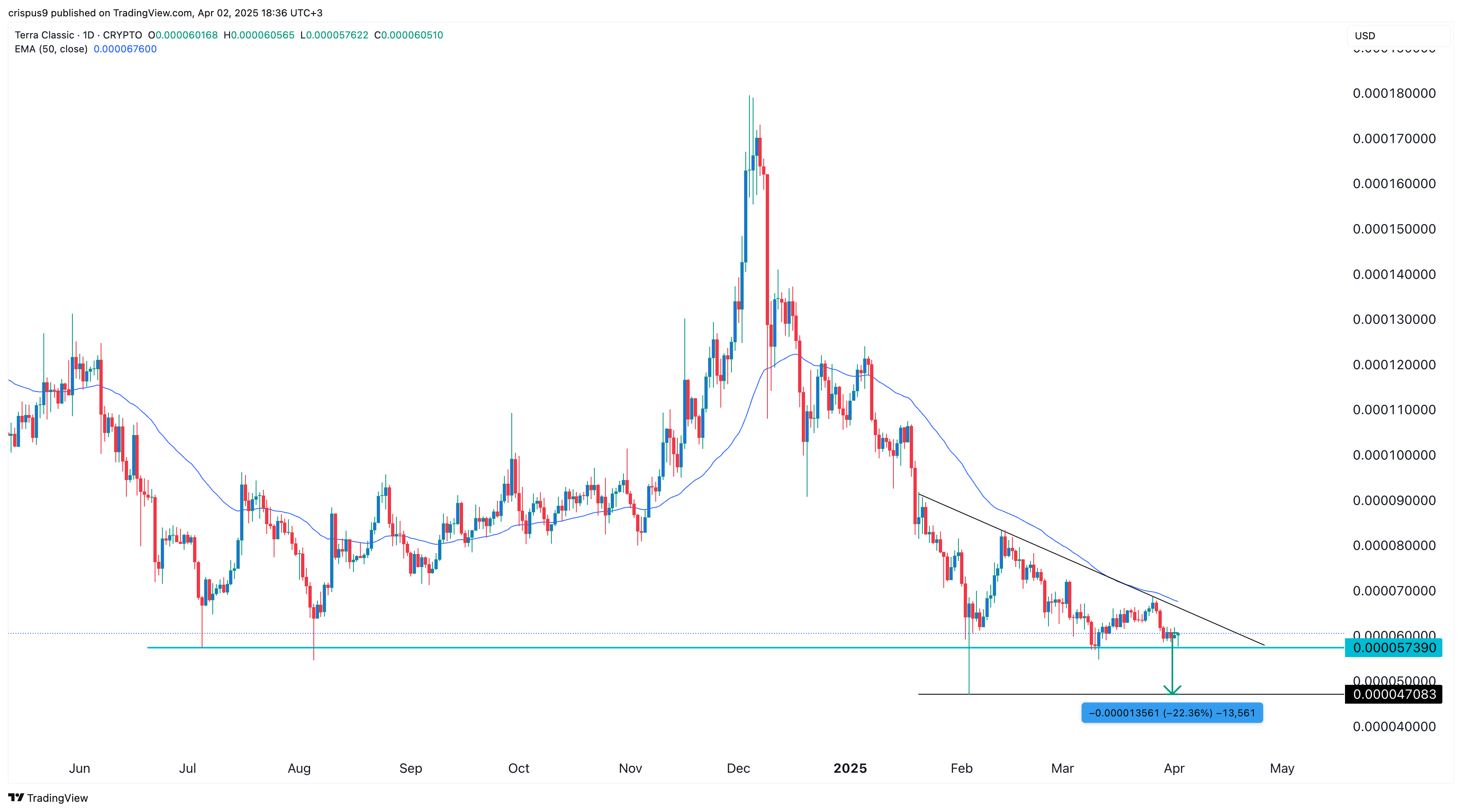
The daily chart shows that Terra Luna Classic has stalled at a key support level, one it has failed to break below multiple times since July last year. This suggests that bears are hesitant to push LUNC lower at current levels.

LUNC remains below the 50-day moving average and the descending trendline connecting the swing highs since Jan. 19. This indicates the formation of a descending triangle, a popular bearish continuation pattern.

More downside would be confirmed if the price breaks below the horizontal support that connects the lowest level since July 2024. A break beneath that zone could push LUNC to the next key support at $0.000047, approximately 22% below the current level.

You might also like:

USTC Is Now a Meme Coin and Traders Are Paying Attention

0

TerraClassicUSD, also known as USTC, has officially changed its identity. It is no longer trying to be a stablecoin. USTC is now a meme coin and this new role is bringing it back into the spotlight.

After the crash in 2022, USTC lost its one dollar value and could never recover. Instead of continuing to fight for the past, the Terra Classic community decided to move forward with a fresh direction. That direction is full of energy, fun, and big potential.


What Does It Mean to Be a Meme Coin

Meme coins are cryptocurrencies that grow because of community power, social media trends, and internet humor. They do not need to follow the usual rules of serious finance. What they do need is attention and excitement.

USTC is now free to join the same crowd as Dogecoin and Shiba Inu. That means it can build a strong online following and create hype that brings in new traders.


Why USTC Is Getting Attention Again

New Energy
Becoming a meme coin has brought fresh life to USTC. People are talking about it again and that attention can help boost trading and price movement.

More Exchange Support
Without the pressure of being a stablecoin, USTC can avoid strict regulations. That means it might stay listed on major exchanges which helps it stay accessible to global traders.

A New Beginning
USTC had a rough past but this new meme coin identity gives it a chance to start over. It is now part of a culture where community matters more than perfect systems. That story of change is exciting for a lot of people.


Can the Price Go Up

Prices in meme coin markets are never easy to predict. But USTC has some key ingredients that could help. It has a strong and active community. It is trading at a very low price which some see as a chance to get in early. And it now has a story that traders love to share.

Of course, risks remain. Meme coins can rise fast but also fall just as quickly. Still, for those who enjoy fast-moving markets and online-driven trends, USTC is now back on the radar.


Final Thoughts

USTC is no longer focused on being stable. It is focused on being seen and being shared. With a loyal community and a fresh meme coin identity, USTC has a new path forward.

This may not be the return everyone expected. But sometimes, changing the story is exactly what a token needs to rise again.

Terra Classic: Why Rising Burn Rates May Signal a Strategic Entry Point for LUNC

Investor interest in Terra Classic (LUNC) is beginning to build once again, driven by a marked increase in token burn activity. In the past week alone, more than 727 million LUNC tokens have been permanently removed from circulation, bringing the total burned to over 407 billion. This development has placed LUNC back into the spotlight as market participants evaluate its future potential.

With the token consolidating near a key support level, many are now asking: is this a timely opportunity to accumulate?


Understanding Token Burns and Their Market Significance

Token burning is a deflationary mechanism wherein a portion of a cryptocurrency’s supply is deliberately destroyed, effectively reducing the number of coins in circulation. The goal is to enhance scarcity, which, in turn, may support price appreciation and assuming demand remains steady or increases.

For Terra Classic, the sharp rise in burn activity suggests a renewed focus on strengthening tokenomics and restoring investor confidence.


Where LUNC Stands Today

As of early April, LUNC is trading around the $0.000060 level. Although it remains well below its December 2024 peak, this price point represents a zone of historical support. In technical terms, such levels often attract accumulation from value-seeking investors who believe in the asset’s long-term prospects.

Despite its previous volatility, LUNC continues to maintain a strong community base and a growing number of developers working to revitalize the ecosystem.


Factors Supporting a Potential Rebound

1. Accelerated Token Burns
The recent surge in burn volume demonstrates active participation from both the community and supporting platforms. Sustained reductions in circulating supply may contribute to upward pressure on price over time.

2. Attractive Entry Point
With LUNC significantly off its highs, current price levels could be considered undervalued, particularly for those with a long-term investment horizon.

3. Community Resilience and Ecosystem Renewal
Terra Classic has undergone significant changes since its early challenges, and it continues to attract both contributors and users. Ongoing development efforts, including governance upgrades and utility-based integrations, underscore the project’s ambition to evolve.


Conclusion

In an environment where investors are seeking asymmetric opportunities in the digital asset space, Terra Classic offers a unique combination of deflationary mechanics, grassroots support, and technical rebuilding.

While no asset is without risk, the current confluence of increased token burns and technical positioning suggests that LUNC may be entering a pivotal phase. For those willing to look beyond short-term fluctuations, Terra Classic warrants close attention as a potential high-upside component of a diversified crypto portfolio.