


Did You Know It Only Takes 5 Big Validators Working Together to Control the Luna Classic Network
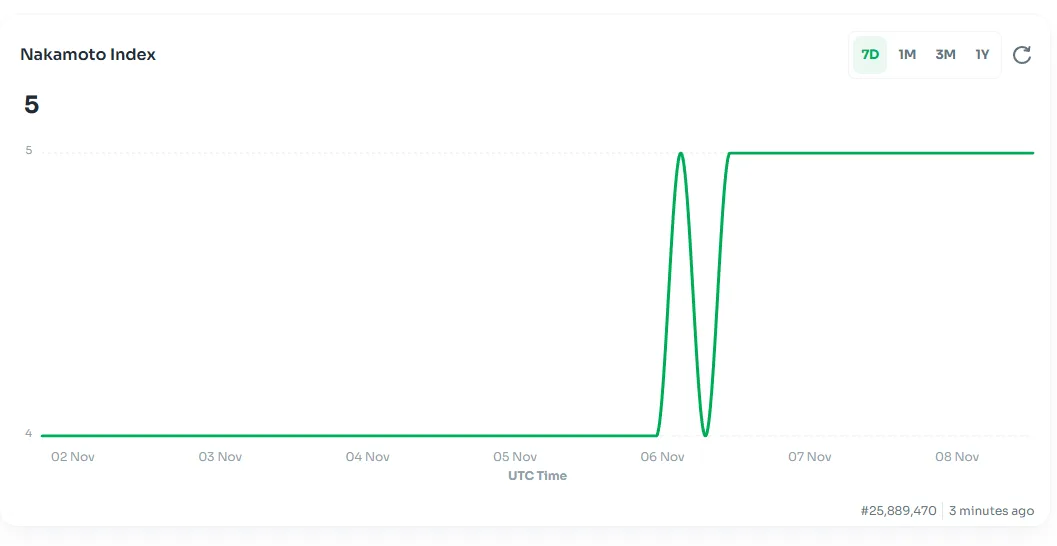
The Luna Classic network currently has a Nakamoto Index of 5, meaning it would take only five independent validators working together to control or disrupt the network. This number helps the community understand how decentralized the system really is.
What Is the Nakamoto Index
The Nakamoto Index measures how decentralized a blockchain network is. It shows the minimum number of validators or independent entities that would need to cooperate to take control of the system or stop it from working properly.
A smaller number means the network is more centralized because fewer validators have enough power to make major changes. A larger number means the network is more decentralized and secure.
Understanding the Nakamoto Index Values
- Value 1 means one validator can control or stop the network. This shows very high centralization.
- Values 2 to 4 mean a small group can still control the system.
- Values 5 to 6 mean several validators would need to work together, showing better decentralization and stronger protection.
What It Means for Luna Classic
A Nakamoto Index of 5 means five large validators would need to join forces to control the Luna Classic network. This is a sign that the network is improving its decentralization but still depends on a few key players.
As Luna Classic continues to grow, increasing the Nakamoto Index will make the network more secure, fair, and resistant to control by any small group of validators.