
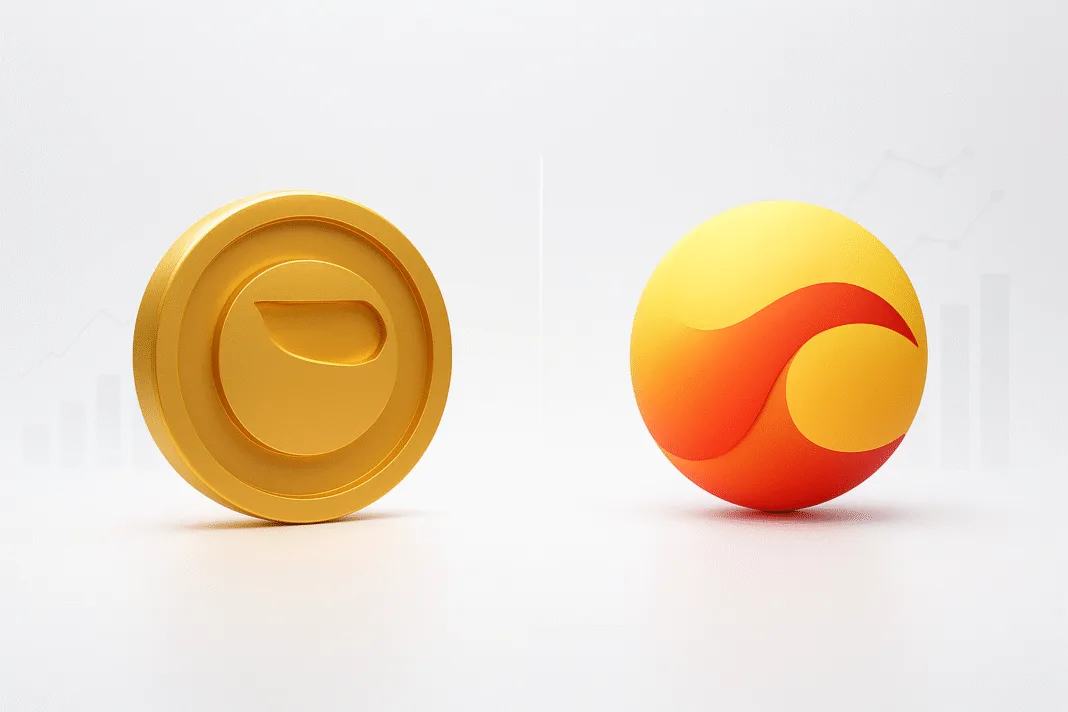

In the evolving world of blockchain technology, understanding the Terra Classic vs Terra 2.0 divide is crucial for developers and investors alike. Terra Classic (LUNC) is the original Terra blockchain, renamed after the 2022 crash of its algorithmic stablecoin UST. It retains the native token LUNC and operates as a community-driven network using Proof-of-Stake consensus via the Cosmos SDK. In contrast, Terra 2.0 (LUNA) emerged as a fresh fork without the flawed stablecoin mechanism, aiming for a clean slate under Terraform Labs (now dissolved). Launched in May 2022, Terra 2.0 focuses on decentralized applications (dApps) but lacks the original’s algorithmic elements, running parallel to Classic with its own LUNA token.
The core differences lie in governance and focus. Terra Classic is now fully community-led, free from founder Do Kwon’s influence, emphasizing token burns to reduce supply and revive value. Terra 2.0, while innovative, has faced volatility and lower adoption, with its market cap often trailing Classic’s.
Why is it better for developers to build on Terra Classic blockchain in 2025? Recent upgrades, like the v3.5.0 release on August 15, have transformed it. This update reintroduces the Market Module for LUNC-USTC stability, boosts transaction speeds, enhances validator incentives, and strengthens security through CometBFT and Wasmvm improvements. Additionally, Proposal 12142 upgrades to Cosmos SDK v0.47, reducing technical debt, ensuring smart contract compatibility, and aligning closely with the Cosmos ecosystem for seamless interoperability.
These changes make Terra Classic more attractive: low fees, fast processing, and robust tools draw dApp builders. Community governance fosters transparency, while token burns and incentives support sustainable growth. Unlike Terra 2.0’s stagnant vibe, Classic’s active ecosystem promises real use cases, from DeFi to NFTs. For developers seeking stability and innovation, Terra Classic stands out as the superior platform in 2025.