



Why LUNC Burns Stay Low Despite High Daily Trading Volume
Many Terra Classic supporters wonder why LUNC burns stay low even though CoinMarketCap and CoinGecko show daily trading volumes of three to five million dollars. This article explains the reason in a simple and clear way.
Understanding Where Burn Tax Applies
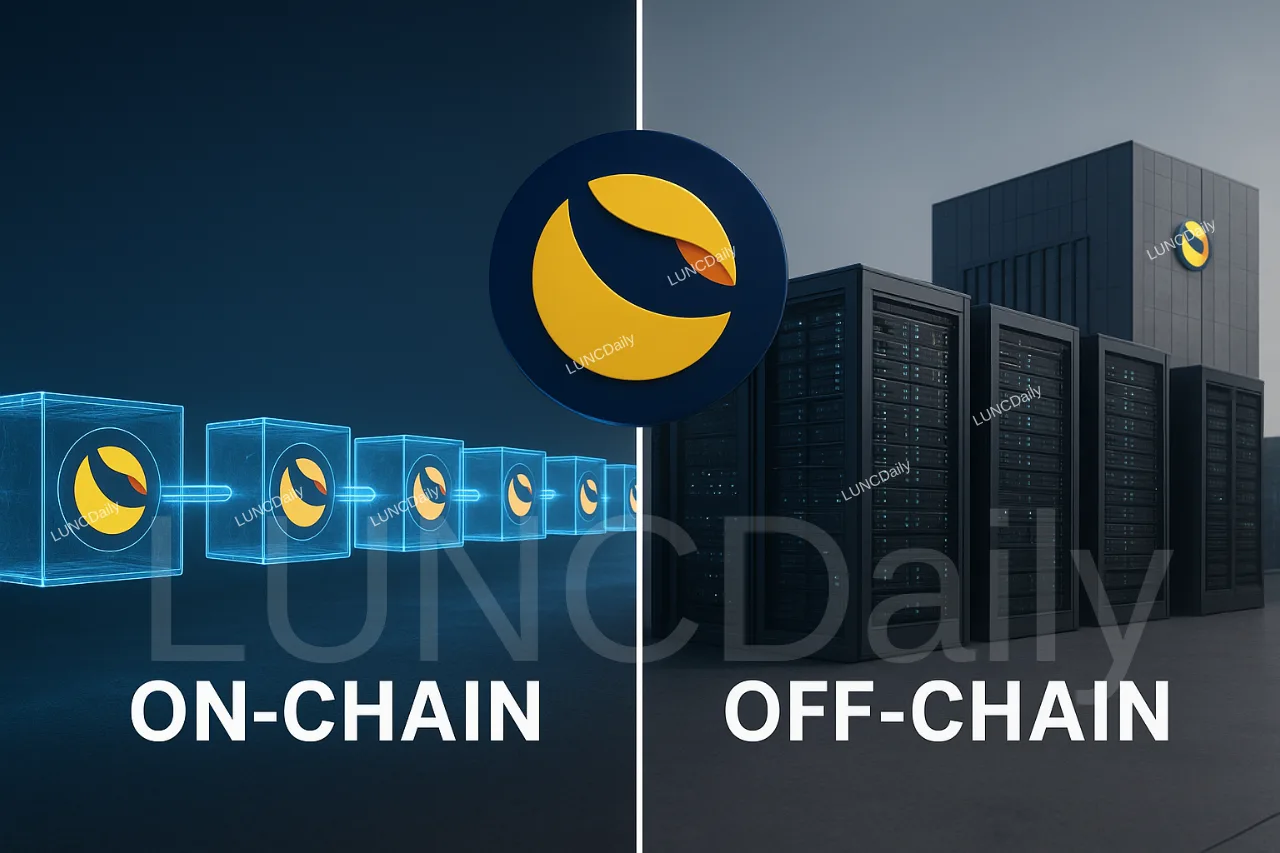
In our previous article about on chain and off chain activity, we explained the difference between the two. The main point to understand is this:
The burn tax only applies to on chain transactions. It does not apply to off chain transactions.
Why High Volume Does Not Equal High Burns
Most LUNC trading happens off chain on centralized exchanges. Off chain transactions do not include the burn tax, so they do not reduce the supply. This is why burns remain low even when trading volume appears high.
How to Increase LUNC Burns
There are two common approaches to increasing the burn rate:
Raise the Tax
Some people suggest increasing the on chain tax. While this seems simple, higher taxes can discourage users because they lose more value with every transaction.
Increase On Chain Activity
The most effective method is to encourage more on chain activity. Every on chain action contributes to burns, including:
- Trading LUNC
- Trading USTC
- Trading Layer 2 tokens
- Sending tokens between wallets
The more activity that happens on chain, the more LUNC is burned.
Conclusion
LUNC burns depend on on chain transactions. If most trading continues to occur off chain, burn numbers will remain low. Increasing on chain usage is the key to boosting the burn rate and supporting long term recovery.