Home Blog Page 81

LUNC Tests Key Resistance at $0.00007 – Key Pattern Suggests a Possible Rally to $0.0001

0

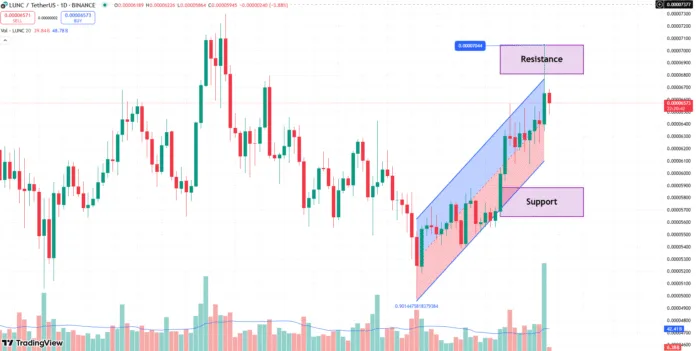
Terra Classic (LUNC) is approaching a critical price level that could spark its next major move. Currently trading around $0.000065, LUNC is moving within an ascending channel while forming a symmetrical triangle pattern, a classic setup that often precedes a sharp breakout.

This price action suggests that LUNC is entering a decision zone, with momentum building and investors closely watching whether it can break through the major resistance level at $0.00007.

Technical Overview
LUNC’s recent upward movement has been supported by steady volume and a clear bullish structure. The price has consistently printed higher lows, confirming bullish interest even as it faces resistance near $0.00007.

Two key technical patterns are visible:

● Ascending Channel: LUNC remains within an upward-sloping channel that has acted as both support and resistance for over two weeks.

● Symmetrical Triangle: The price is tightening into a triangle formation, with both buyers and sellers waiting for confirmation of direction. This pattern is often seen before a breakout.

Indicators such as the MACD and RSI remain neutral, meaning the direction of the breakout will depend on volume and trader sentiment.

Resistance at $0.00007 Is Key
The $0.00007 level is acting as a major resistance zone. It has capped recent rallies and represents a psychological barrier. If LUNC can close a daily candle above this level with strong volume, it would confirm a breakout and likely trigger a fresh wave of buying.

A successful breakout would open the door for a move toward $0.0001, which is both a technical target based on Fibonacci projections and a key round-number resistance level. Some analysts even point to $0.0000985 as the next major zone of interest.
Market Sentiment and Timing
Market conditions are improving across the altcoin space as Bitcoin dominance begins to weaken. This environment favors altcoins like LUNC, especially those showing strong technical setups.

LUNC has already gained over 25 percent in recent days, and investor interest is growing. A break above $0.00007 could shift sentiment quickly and attract new capital into the ecosystem.

Conclusion
LUNC is at a critical inflection point. A confirmed breakout above $0.00007 could signal the beginning of a new rally toward $0.0001 and beyond. With strong technical patterns forming and market sentiment turning, this could be a major opportunity for early investors.

Now is the time to watch closely. The next move could define the direction of LUNC for weeks to come.

Why LUNC Should Be in the Top 5 Blockchains

0
Terra Classic
Terra Classic

Luna Classic (LUNC), the original Terra blockchain, has faced significant challenges, yet its potential to rank among the top five blockchains remains compelling. Despite the 2022 crash, LUNC’s ecosystem, technology, and community resilience make a strong case for its resurgence.

First, LUNC boasts a robust and scalable infrastructure. Its proof-of-stake consensus mechanism enables fast, low-cost transactions, rivaling top blockchains like Ethereum or Solana. With a focus on interoperability, LUNC supports seamless cross-chain interactions, making it attractive for decentralized finance (DeFi) and non-fungible token (NFT) projects. Its Cosmos SDK foundation ensures flexibility for developers, fostering innovation in decentralized applications (dApps).

Second, the LUNC community is a driving force. After the collapse, dedicated supporters rallied to rebuild trust and utility. Initiatives like the 1.2% burn tax on transactions aim to reduce the hyperinflated token supply, potentially increasing value over time. This community-driven approach mirrors the grassroots momentum seen in blockchains like Cardano, where collective belief fuels progress.

Third, LUNC’s DeFi ecosystem, though diminished, retains potential. Protocols like Anchor and Mirror, once central to Terra’s success, could be revitalized with strategic upgrades. The blockchain’s ability to support algorithmic stablecoins, if managed prudently, positions it as a leader in stablecoin innovation—a critical sector for global adoption.

Finally, LUNC’s low transaction fees and eco-friendly design align with the growing demand for sustainable blockchains. Unlike energy-intensive networks like Bitcoin, LUNC’s proof-of-stake model appeals to environmentally conscious developers and users.

While challenges remain, including restoring investor confidence and stabilizing governance, LUNC’s technological strengths, loyal community, and DeFi potential make it a contender for the top five. With strategic development, LUNC could reclaim its place as a blockchain powerhouse.

The Secret Weapon LUNC Has Been Missing: Marketing!

0

Marketing is not just about advertising. It is a strategic tool that helps connect a project with its audience, build trust, and grow long-term value. For a decentralized project like Terra Classic (LUNC), which is driven by its community and ongoing technical efforts, marketing is essential for visibility, adoption, and survival. Below is a breakdown of why LUNC needs marketing, supported by core marketing theories.

1. Marketing Builds Awareness and Brings New Users
Theory: AIDA Model — Attention, Interest, Desire, Action

The first stage of every buyer’s journey is awareness. If people do not know about LUNC, they will not use it, support it, or invest in it. Marketing helps LUNC capture attention in a noisy crypto market. It informs people about the chain’s purpose, ongoing development, burn mechanisms, and potential.

Why it matters:
Thousands of new tokens are launched every year. Without strong marketing, LUNC risks being forgotten or ignored, regardless of its community and technology.

2. Marketing Shapes the Brand and Rebuilds Trust
Theory: Brand Equity Theory (Keller’s Model)

LUNC carries a complex history due to the collapse of the original Terra ecosystem. However, marketing allows the community to rebrand the chain, communicate positive progress, and rebuild trust. A strong and consistent brand leads to loyalty and long-term credibility.

Why it matters:
Investors and developers are more likely to support a blockchain project that has a clear identity, a positive message, and transparent communication.

3. Marketing Attracts Developers, Projects, and Partners
Theory: Marketing Concept Theory — understanding and meeting stakeholder needs

Marketing is not just for retail traders. It also speaks to developers, builders, and institutions. When LUNC promotes its chain, tools, and developer resources clearly, it becomes more attractive for building decentralized applications, NFTs, and DeFi protocols.

Why it matters:
Without marketing, many developers may choose more visible blockchains such as Solana or Base, even if LUNC offers similar or better capabilities.

4. Marketing Increases Volume and Supports Token Burns
Theory: 4P Marketing Mix — Product, Price, Place, Promotion

Promoting LUNC’s utilities such as DEXs, games, and staking platforms can drive user activity and trading volume. Higher volume means more transactions and more LUNC burned. This directly supports the chain’s deflationary goals.

Why it matters:
Marketing does not just inform people. It drives behavior. If more people are active on LUNC, then burn rates and use cases grow at the same time.

5. Marketing Helps LUNC Compete in the Crypto Space
Theory: Porter’s Competitive Advantage Theory

The crypto market is extremely competitive. Every project is trying to attract the same attention. LUNC needs to show how it is different — whether through its strong community, transparent governance, or burn strategy. Marketing communicates these differences clearly and repeatedly.

Why it matters:
Without marketing, LUNC cannot defend its position or grow its influence in a market full of similar chains.

6. Marketing Enables Long-Term Growth and Expansion
Theory: Ansoff Matrix — Market Penetration, Market Development, Product Development, Diversification

LUNC has potential to grow beyond what it is today. With smart marketing, it can attract new users, enter new markets, launch new products, and become more than just a recovery story. It can become a leading community-led blockchain.

Why it matters:
Long-term growth does not happen by accident. It requires a roadmap and communication. Marketing turns goals into action by reaching the right audiences.

Conclusion
LUNC cannot depend on technology and community alone. To survive and grow, it must be visible, trusted, and understood by people inside and outside the crypto space. Marketing is the bridge between the blockchain and the world. Supported by proven marketing theory, it is clear that if LUNC wants to attract new users, increase adoption, drive burns, and build a sustainable ecosystem, marketing is not optional, it is necessary.

Altcoins Are Exploding as Bitcoin Weakens — Can LUNC Ride the Wave?

0

Bitcoin is starting to lose its grip on the crypto market. Its dominance, which shows how much of the total market belongs to Bitcoin, has dropped to just above 62 percent. This signals a big change. Every time Bitcoin dominance falls like this, it often means one thing — altcoins are ready to shine.

We are now seeing exactly that. Over the past week, Ethereum and other top altcoins have made strong moves. Ethereum jumped nearly 24 percent in just a few days. Solana, Toncoin, and even smaller meme coins are following. This is a classic setup for what the crypto world calls “altseason” — when attention and investment move away from Bitcoin and into other coins.

And this time, Terra Classic or LUNC is getting noticed again.

Why LUNC Could Be One of the Winners
LUNC is one of the more well-known altcoins because of its history. After its massive collapse in 2022, many wrote it off. But now, it is making a slow but clear comeback.

Here’s what’s happening:

● Over 1.6 billion LUNC tokens are being burned every week. That reduces the total supply, which can help increase the price.

● Developers and the community are bringing the project back to life with new tools and updates.

● Analysts believe LUNC has a chance to climb up by more than 500 percent if it breaks past its resistance levels.

These are not just guesses. On-chain activity, token burn data, and price charts all show positive momentum. If the overall altcoin market keeps rising, LUNC has the potential to be one of the big gainers.

Altseason Is Real and LUNC Is Part of It
As Bitcoin cools down, traders are looking for faster returns. That means money is flowing into altcoins. Ethereum, Solana, XRP, and meme coins like BONK are already leading. But there is also growing interest in smaller-cap coins that can move faster and offer bigger rewards.

LUNC is one of them.

While it still has risk like any small altcoin, its active community, high burn rate, and strong market interest make it stand out. If this altcoin rally continues, LUNC could surprise many with how far it goes.

Final Thoughts
The crypto market is shifting. Bitcoin is no longer the only star. Altcoins are taking over the spotlight. And if you are watching this wave closely, Terra Classic is one of the names you should not ignore.

LUNC may have had a rough past, but the future could be much brighter. This could be its moment.

Terra Classic: A Comprehensive Guide for New Investors

0

Introduction to Terra Classic

Terra Classic, often referred to as LUNC, is the original blockchain and native token of the Terra ecosystem, which gained prominence for its innovative approach to stablecoins and decentralized finance (DeFi). Launched in 2018 by Terraform Labs, the Terra protocol was designed to create a stable, scalable blockchain ecosystem that could support global financial transactions with low volatility. However, after a catastrophic collapse in May 2022, the original Terra chain was renamed Terra Classic, and its native token, previously known as LUNA, became LUNC (Luna Classic). A new chain, Terra 2.0, was created with a new LUNA token, leaving Terra Classic as a community-driven project. This article explores Terra Classic’s core features, staking, burning mechanisms, and its potential for new investors.

What is Terra Classic?

Terra Classic is a decentralized, open-source blockchain protocol built on the Cosmos SDK and Tendermint consensus mechanism, utilizing a Proof-of-Stake (PoS) system. Originally, the Terra ecosystem aimed to bridge traditional finance with blockchain by offering stablecoins pegged to fiat currencies, such as TerraUSD (UST, now USTC or TerraClassicUSD). These stablecoins were maintained through an algorithmic mint-and-burn mechanism with LUNA (now LUNC), which absorbed price volatility to stabilize the stablecoins.

The collapse in May 2022 occurred when USTC lost its $1 peg, leading to a hyperinflation of LUNC’s supply and a price crash from over $80 to fractions of a cent, wiping out billions in market value. Following this, Terra Classic became a separate entity from the new Terra 2.0 chain, retaining the original transaction history and community. While Terraform Labs shifted focus to Terra 2.0, Terra Classic is now maintained by a passionate community, often called the “LUNC Army,” which drives its development, governance, and efforts to restore value.

Key Features of Terra Classic

  1. Proof-of-Stake Consensus: Terra Classic operates on a PoS model, where validators and delegators stake LUNC tokens to secure the network and earn rewards.
  2. Governance: LUNC holders can stake tokens to vote on proposals that shape the network’s future, such as protocol upgrades or burn mechanisms.
  3. Deflationary Mechanisms: The community has implemented token-burning strategies to reduce LUNC’s massive circulating supply, aiming to increase scarcity and value.
  4. DeFi and DApps: Despite the collapse, Terra Classic supports decentralized applications (DApps) and smart contracts, with some projects still active on the chain.
  5. Payment Token: LUNC serves as a medium of exchange within the Terra Classic ecosystem, used for transactions and fees.

Staking in Terra Classic

Staking is a core feature of Terra Classic, offering investors a way to earn passive income while contributing to network security. In a PoS blockchain like Terra Classic, validators run nodes to verify transactions and propose new blocks, while delegators stake their LUNC tokens to support validators in exchange for rewards.

How Staking Works

  • Validators: These are entities that operate full nodes to validate transactions and secure the network. The top 130 validators, ranked by staked LUNC, participate in consensus. Validators earn rewards from transaction fees and block rewards, sharing a portion with their delegators.
  • Delegators: Investors who stake their LUNC with a validator are called delegators. Staked LUNC remains in the delegator’s possession but is locked and cannot be traded until unbonded, which typically takes 21 days.
  • Rewards: Staking rewards come from transaction fees and vary based on network activity and the amount staked. As of early 2023, staking yields have ranged from 10–20% annually, though these can fluctuate due to market conditions and validator performance.

Benefits of Staking LUNC

  1. Passive Income: Staking provides a steady stream of LUNC rewards, making it attractive for long-term holders.
  2. Network Security: By staking, investors help secure the blockchain, reducing the risk of malicious attacks.
  3. Governance Participation: Staked LUNC grants voting power in governance proposals, allowing investors to influence the network’s direction.
  4. Reduced Selling Pressure: Staking locks tokens, reducing the circulating supply available for trading, which can stabilize prices.

Risks and Considerations

  • Unbonding Period: The 21-day unbonding period can limit liquidity, as staked tokens cannot be accessed immediately.
  • Slashing Risks: Validators who experience downtime or act maliciously may face slashing, where a portion of staked LUNC is lost. Choosing reliable validators, like those with high uptime (e.g., Stakin, an institutional-grade validator since 2019), mitigates this risk.
  • Market Volatility: LUNC’s price is highly volatile, and staking rewards may not offset potential losses in token value.

To stake LUNC, investors can use platforms like Terra Station or Allnodes, selecting a validator based on reputation, uptime, and commission rates. Always research validators and ensure secure wallet management, such as using hardware wallets like Ledger for added safety.

Token Burning Mechanisms

Token burning is a deflationary strategy to reduce LUNC’s circulating supply, which ballooned to over 6 trillion tokens after the 2022 collapse. By permanently removing tokens from circulation, burns aim to increase scarcity and potentially boost LUNC’s value.

Types of Burns

  1. Transaction Fee Burns: A portion of on-chain transaction fees (initially 1.2%, later reduced to 0.2% via Proposal 5234) is burned, reducing supply with every transaction.
  2. Direct User Burns: Users can send LUNC to a designated burn address, permanently destroying the tokens.
  3. Exchange Burns: Major exchanges like Binance burn a percentage of LUNC trading fees. For example, Binance has burned over 39.5 billion LUNC, representing 52% of total burns.
  4. Community and Partner Burns: Community initiatives and partner projects organize burn events to further reduce supply.

Impact of Burns

Since May 2022, over 413 billion LUNC tokens have been burned, reducing the circulating supply to approximately 5.5–6.5 trillion as of 2025. While burns have helped, the massive supply means significant reductions will take time. For instance, burning 99% of the supply to reach a $1 price point is considered unrealistic in the short term due to low on-chain transaction volume and reliance on off-chain trading. However, burns combined with staking and community efforts could gradually improve LUNC’s value proposition.

Notable Burn Events

  • Binance Burns: Binance’s regular burns, such as the 760 million LUNC burned in November 2023, have been significant contributors.
  • Court-Ordered Burns: In 2024, a $4.5 billion settlement with the SEC mandated Terraform Labs to burn LUNC held in their wallets, potentially causing a supply shock.
  • Community Initiatives: Projects like Terraport, a decentralized exchange on Terra Classic, facilitate burns through trading and staking activities.

Governance and Community Efforts

Terra Classic’s governance is decentralized, with LUNC holders voting on proposals to guide the network’s future. Each staked LUNC equals one vote, and proposals require a minimum deposit of 50 LUNC, a 40% quorum, and a 50% majority of “Yes” votes to pass. Key proposals include:

  • Burn Tax Adjustments: Reducing the burn tax from 1.2% to 0.2% to encourage more transactions.
  • Staking Model Changes: Discussions to shorten the 21-day unbonding period to improve accessibility.
  • USTC Re-pegging: Proposals to restore USTC’s $1 peg, though this remains speculative and challenging.

The “LUNC Army” and groups like Terra Rebels drive development, focusing on burns, staking, and ecosystem improvements. Their efforts have kept Terra Classic active despite Terraform Labs’ shift to Terra 2.0.

Investment Considerations

For new investors, Terra Classic offers opportunities but comes with significant risks:

  • Potential Upside: Ongoing burns, staking, and community efforts could drive gradual price appreciation. Short-term predictions suggest moderate gains, with long-term forecasts (2027–2028) eyeing prices closer to $0.01 if burns and adoption align.
  • High Risk: LUNC’s history of collapse, massive supply, and reliance on community governance make it a speculative investment. Volatility remains high, and recovery is uncertain.
  • Due Diligence: Research exchanges (e.g., Binance, KuCoin), use secure wallets, and monitor burn and staking metrics via platforms like LUNC Metrics or lunaburn.online.

Conclusion

Terra Classic is a unique case in the cryptocurrency world—a once-thriving blockchain that faced a near-fatal collapse but persists through community resilience. Its staking system offers passive income and governance participation, while token burns aim to reduce supply and enhance value. For new investors, LUNC presents a high-risk, high-reward opportunity. While the community’s efforts and burn mechanisms provide hope, the massive supply and historical baggage require caution. Thorough research, secure storage, and a long-term perspective are essential for anyone considering investing in Terra Classic.

JURIS Protocol: A Catalyst for Terra Classic (LUNC) Revival

0

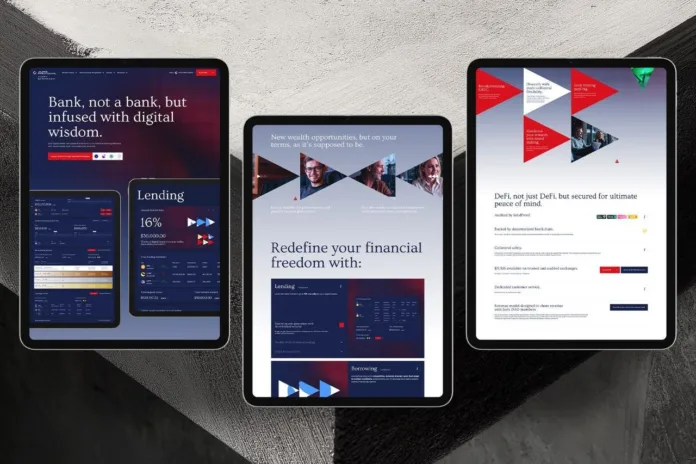
The JURIS Protocol, a decentralized finance (DeFi) platform built on the Terra Classic blockchain, is emerging as a pivotal force in revitalizing the LUNC ecosystem. Following the 2022 collapse of Terra’s algorithmic stablecoin UST, which led to LUNC’s significant value loss, the Terra Classic community has been focused on recovery. JURIS Protocol plays a critical role in this mission by enhancing utility, governance, and economic stability for LUNC.

JURIS introduces a lending protocol that leverages Terra Classic’s infrastructure to offer innovative financial services. By facilitating seamless DeFi applications, it attracts new users and developers, boosting network activity. Its revenue model is particularly significant: 50% of platform profits are distributed to $JURIS token stakers, incentivizing participation, while 15% supports $LUNC use cases, such as development grants. This reinvestment directly strengthens the Terra Classic ecosystem by funding projects that enhance LUNC’s utility and adoption. The remaining 35% bolsters the DAO Treasury for operational sustainability, ensuring long-term growth.

A key goal of JURIS is aiding the re-peg of USTC to $1, addressing a core issue from the 2022 crash. By fostering collaborations and improving user experience through enhanced UI/UX, JURIS aims to make Terra Classic more accessible, driving broader DeFi adoption. Recent community proposals, like those compensating developers for ecosystem contributions, underscore JURIS’s commitment to transparency and fairness, aligning with Terra Classic’s governance ethos.

JURIS’s efforts, including its successful rebrand proposal in 2024, signal strong community support. By integrating with Cosmos ecosystem hubs like Osmosis and supporting LUNC burns, JURIS enhances LUNC’s deflationary potential, which could increase its value. As Terra Classic rebuilds, JURIS Protocol stands as a cornerstone, fostering innovation, stability, and community-driven growth for LUNC.

How to Trade LUNC on Crypto.com

0

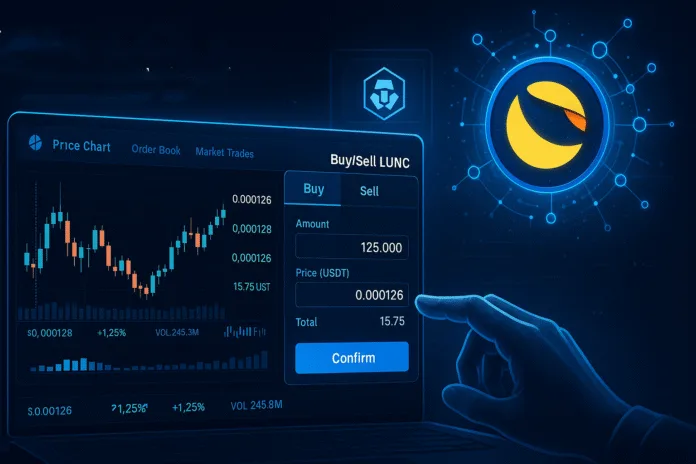
Trading LUNC (Terra Classic) on Crypto.com is a straightforward process for both beginners and experienced traders. Follow these steps to get started.

Step 1: Create and Verify Your Account
Download the Crypto.com app or visit their website to sign up. Provide your email, create a password, and complete identity verification by submitting required documents like a government-issued ID. This ensures compliance with Crypto.com’s security standards.

Step 2: Deposit Funds
Once your account is verified, deposit funds into your Crypto.com wallet. Navigate to the “Accounts” section, select “Deposit,” and choose a cryptocurrency (like BTC or ETH) or fiat currency (e.g., USD). Follow the instructions to transfer funds from your bank or another crypto wallet. Ensure you have sufficient funds to trade LUNC.

Step 3: Navigate to the Trading Platform
In the Crypto.com app, go to the “Trade” section and select “Spot Trading.” Search for LUNC in the trading pairs, such as LUNC/USDT or LUNC/BTC. Crypto.com supports various LUNC pairs, so choose one based on your deposited currency.

Step 4: Place a Trade
Select whether you want to buy or sell LUNC. For buying, enter the amount you wish to purchase and choose a market or limit order. Market orders execute instantly at the current price, while limit orders allow you to set a specific price. Confirm the transaction after reviewing the details.

Step 5: Store or Withdraw LUNC
After trading, your LUNC will appear in your Crypto.com wallet. You can hold it, trade it further, or withdraw it to an external wallet for safekeeping.

Tips for Success
Monitor LUNC’s price trends using Crypto.com’s charting tools. Enable two-factor authentication (2FA) for security. Always double-check transaction details to avoid errors. Happy trading!

Solana (SOL) vs. Terra Luna Classic (LUNC): Why LUNC Stands Out

0

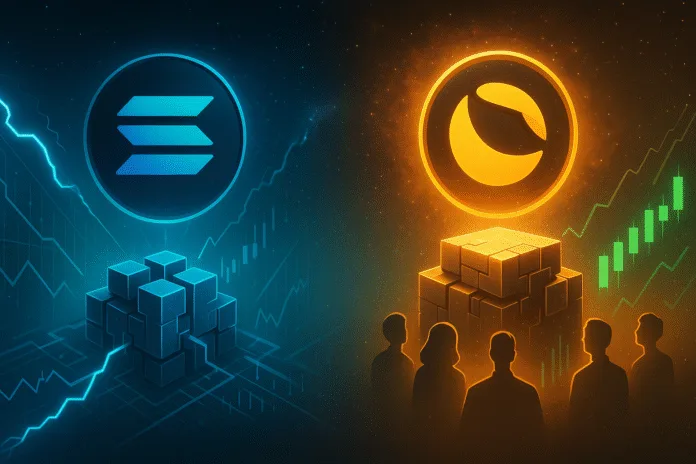
Solana (SOL) and Terra Luna Classic (LUNC) are prominent layer-1 blockchain tokens, each with distinct features. Solana is renowned for its high scalability, fast transaction speeds, and low fees, leveraging a Proof of History consensus mechanism for censorship resistance.

Its ecosystem supports smart contracts, NFTs, and DeFi, but it has faced network outages, raising concerns about stability. LUNC, the original token of the Terra blockchain, rebranded after the 2022 UST collapse, focuses on community-driven governance and decentralization, operating without a stablecoin peg.

Solana’s strengths lie in its technical prowess, with a robust team delivering frequent updates. However, its centralization and venture capital influence have drawn criticism. LUNC, despite its turbulent past, has shown resilience through community-led revival efforts, including a 1.2% tax burn policy to reduce its 5.6 trillion circulating supply, aiming for a 10 billion token target. This deflationary mechanism could enhance LUNC’s value over time.

LUNC’s edge over SOL stems from its community focus and lower entry price, attracting investors seeking high growth potential. As of February 2025, LUNC trades at $0.000065, with a market cap of $361.7 million, while SOL is at $145.58. LUNC’s staking ratio has climbed to 15.85%, signaling growing investor confidence. Over 406 billion tokens have been burned, reducing supply and potentially driving price appreciation. Solana’s higher fees and occasional network issues contrast with LUNC’s stability in high-data scenarios.

While Solana excels in scalability, LUNC’s community-driven approach, deflationary strategy, and lower cost make it a compelling choice for risk-tolerant investors betting on its ecosystem revival.

Big Banks Are Changing Their Mind About Stablecoins — USTC Still Has a Shot

0

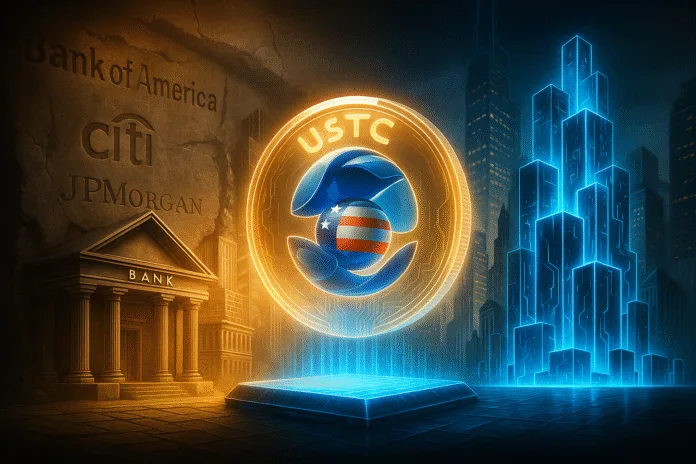
For a long time, banks didn’t trust crypto. But now, big names like Bank of America, Citigroup, and JPMorgan are starting to look at stablecoins more seriously. They aren’t launching anything yet, but they’re studying it, testing ideas, and waiting for clear rules.

This shows a big shift in traditional finance banks are no longer ignoring crypto.

So, What Is USTC?
USTC is a stablecoin from the Terra Classic chain. It was meant to stay at $1 using an algorithm. But in 2022, that system failed and USTC crashed. Many thought it was dead.

But the Terra Classic community is still trying. They stopped creating new USTC and are working to bring it back. Some even talk about KRTC (a Korean version) and EUTC, Euro versions of USTC.

Why It Matters
Banks are only now starting to look at stablecoins. But Terra Classic already built one and is trying to fix it. Even though USTC failed once, it shows how crypto can move faster than banks. Now both sides are watching each other.

Altcoin Explosion Unleashed: Ethereum ETF Frenzy Ignites Crypto Mania as LUNC Joins the Surge

0

The crypto market is roaring back with a vengeance. After weeks of sideways action, a powerful wave of optimism is sweeping through altcoins, driven by massive capital inflows into Ethereum ETFs, explosive meme coin rallies, and a rising appetite for risk. At the center of this altcoin revival is a familiar name, Terra Luna Classic (LUNC) now catching fire alongside Ethereum and other top gainers.

Ethereum ETF Inflows Set the Stage
Ethereum is leading the altcoin charge as institutional investors pour billions into newly approved spot ETFs. Just this past week, U.S listed Ethereum ETFs attracted between 700 million and 900 million in fresh capital. Over the last 12 weeks, ETH focused funds have seen nearly 1 billion in inflows, outpacing Bitcoin related products.

The excitement is fueled by the long-awaited listing of products like the iShares Ethereum Trust and the VanEck Ethereum ETF. Ethereum’s price has responded in kind, jumping over 43 percent in just 20 days and reclaiming levels above 3300 dollars.

These developments are not just about Ethereum. Historically, strong ETH momentum has triggered broader altcoin runs and that pattern is playing out again now.

Meme Coins Ignite Retail FOMO
With Bitcoin stabilizing near all-time highs, the attention has shifted to speculative altcoins and meme-driven tokens. Coins like Dogecoin and BabyDoge are seeing massive volume spikes, while Solana-based meme tokens are making headlines with sudden triple digit gains.

This kind of market behavior typically signals the early stages of an altcoin season, where retail investors chase volatility and undervalued tokens start outperforming. And in this environment, LUNC is beginning to turn heads.

LUNC Emerges as a Comeback Contender
Terra Luna Classic is quietly becoming one of the most watched altcoins in this rally. Often overlooked, LUNC has gained over 10 percent in the past week and is trading above 0.000065 dollars. Its 24-hour trading volume sits around 14 million dollars, signaling increasing market interest.

While not driven by a single event, LUNC’s resurgence is being supported by a mix of market dynamics. As money flows into ETH and meme coins, traders are rotating into lower-cap assets with high upside potential. LUNC fits that profile perfectly.

Its historical significance, combined with a dedicated community and low current valuation, makes it an attractive speculative play in the current cycle. If the broader altcoin trend holds, LUNC could emerge as one of the surprise winners.

What It Means for the Market
This wave of euphoria is not just a flash in the pan. Ethereum’s ETF momentum is institutional in scale. Meme coin rallies show retail interest is alive and well. And altcoins like LUNC are proving that the market is ready to reward high-risk bets once again.

As long as Ethereum ETFs keep attracting capital and Bitcoin holds its ground, the current cycle may continue pushing altcoins higher. For traders and investors, the message is clear—the altcoin season is not just coming. It may already be here.

And LUNC might just be getting started.